EU will ‘come to its senses’ on Israel, former Netanyahu adviser says
EU Will 'Come to Its Senses' on Israel, Ex-Netanyahu Adviser Asserts EU will come to its senses - Former Israeli Prime Minister Benjamin Netanyahu’s national

EU Will ‘Come to Its Senses’ on Israel, Ex-Netanyahu Adviser Asserts
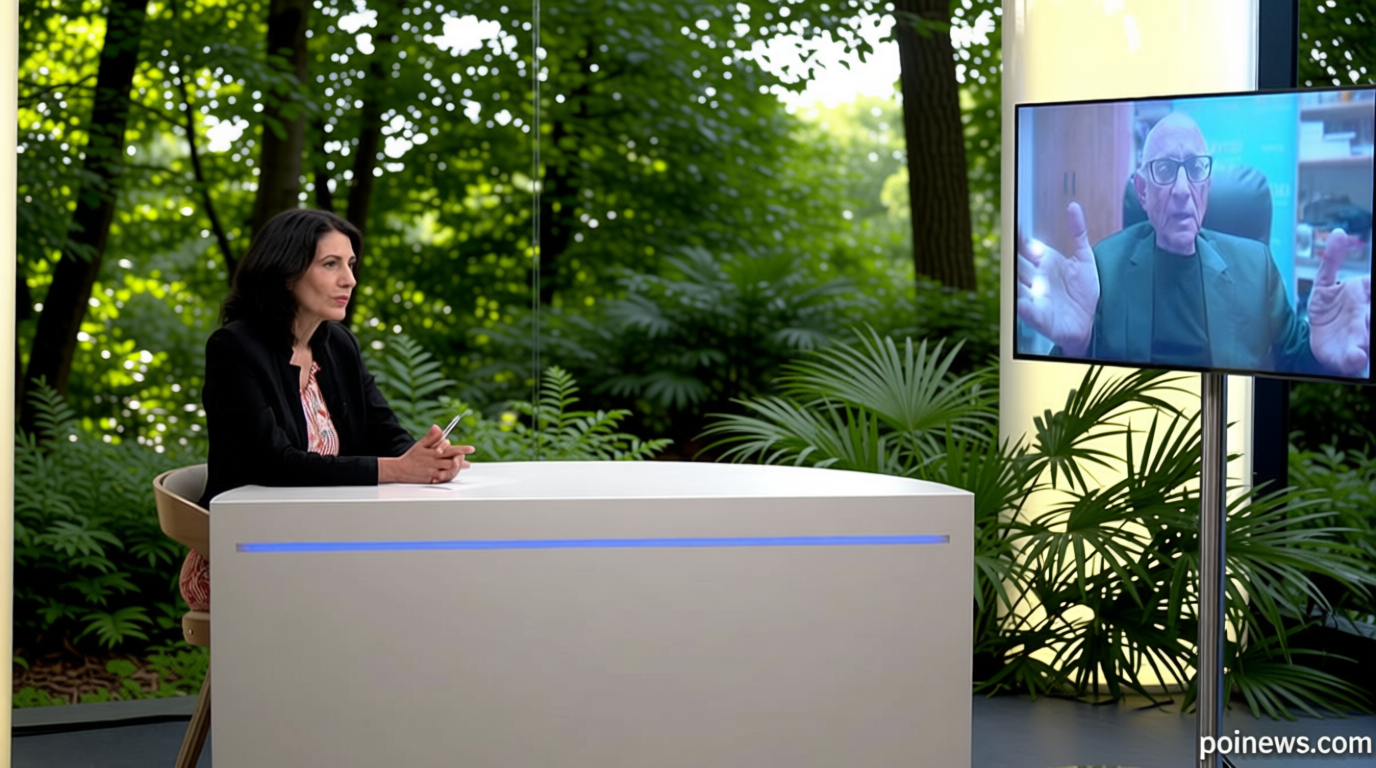
Poinews.com – Former Israeli Prime Minister Benjamin Netanyahu’s national security advisor, Jacob Nagel, has claimed that European Union leaders must prioritise their own internal challenges over disputes with Israel. Speaking to Euronews, Nagel highlighted that the bloc’s primary focus should be on addressing domestic issues rather than external disagreements. This comes amid growing tensions in EU-Israel relations, which have been exacerbated by recent developments.
Strains in EU-Israel Relations
Earlier this month, Israel’s Foreign Minister, Gideon Sa’ar, cut ties with the EU’s foreign policy chief, Kaja Kallas, over perceived comparisons between Israel and apartheid-era South Africa. Additionally, some EU member states are urging the European Commission to explore measures that could limit trade with illegal Israeli settlements in the occupied Palestinian territories.
“In the end, I think EU nations will eventually regain clarity and understand who the true allies are,” Nagel stated during an interview on Euronews’ programme 12 Minutes With.
Nagel, who spent over four decades in Israel’s Defence Ministry and the Prime Minister’s Office, now serves as a Senior Fellow at the Foundation for Defence of Democracies (FDD). He argued that the EU’s influence on Israel’s strategic decisions is diminishing, despite the bloc remaining its largest trading partner. “The EU is not as impactful as it once was,” he said, echoing comments made by Netanyahu to Euronews last year.
The adviser also pointed to broader issues within Europe, noting that some countries are grappling with internal conflicts and immigration pressures. “When you walk the streets, you see terror,” he remarked. “There are nations that have already lost the battle against immigration, and their focus should be on these challenges, not Israel.”
US-Israel Tensions and Strategic Priorities
Meanwhile, US-Israel relations have seen their own pressures. Trump reportedly reprimanded Netanyahu in early June over Israel’s threats to resume airstrikes on Beirut and its southern suburbs, which risked derailing the ongoing US-Iran ceasefire memorandum of understanding (MoU) signed on 17 June. Vice-President J.D. Vance later suggested Israel was isolated internationally, claiming Trump is its only remaining ally.
“Nagel understands Trump’s reasoning but believes the president is making a misstep by placing domestic concerns—particularly oil prices—above securing a better deal to halt Iran’s nuclear ambitions,” the adviser said.
Trump’s decision to prioritise economic interests, especially lowering oil costs, has drawn criticism from figures like Defence Secretary Pete Hegseth and State Secretary Marco Rubio, who advocate for a stronger stance against Iran. However, Nagel acknowledged the legitimacy of Trump’s focus, citing the upcoming mid-term elections and Republican anxieties about a potential Democratic majority in Congress. “The public doesn’t know where Iran is or what enriched uranium is,” he explained. “They just care about the price at the gas station.”
Despite these tensions, Nagel stressed that the US remains Israel’s most steadfast ally. “We would prefer the US to align with us,” he said, “but when their own interests are at stake, they will act accordingly.” The debate underscores the complex interplay between regional and global priorities in shaping diplomatic alliances.