Polish President Karol Nawrocki vetoes civil partnerships bill
Polish President Karol Nawrocki Vetoes Civil Partnerships Bill Polish President Karol Nawrocki vetoes civil - Polish President Karol Nawrocki has officially

Polish President Karol Nawrocki Vetoes Civil Partnerships Bill
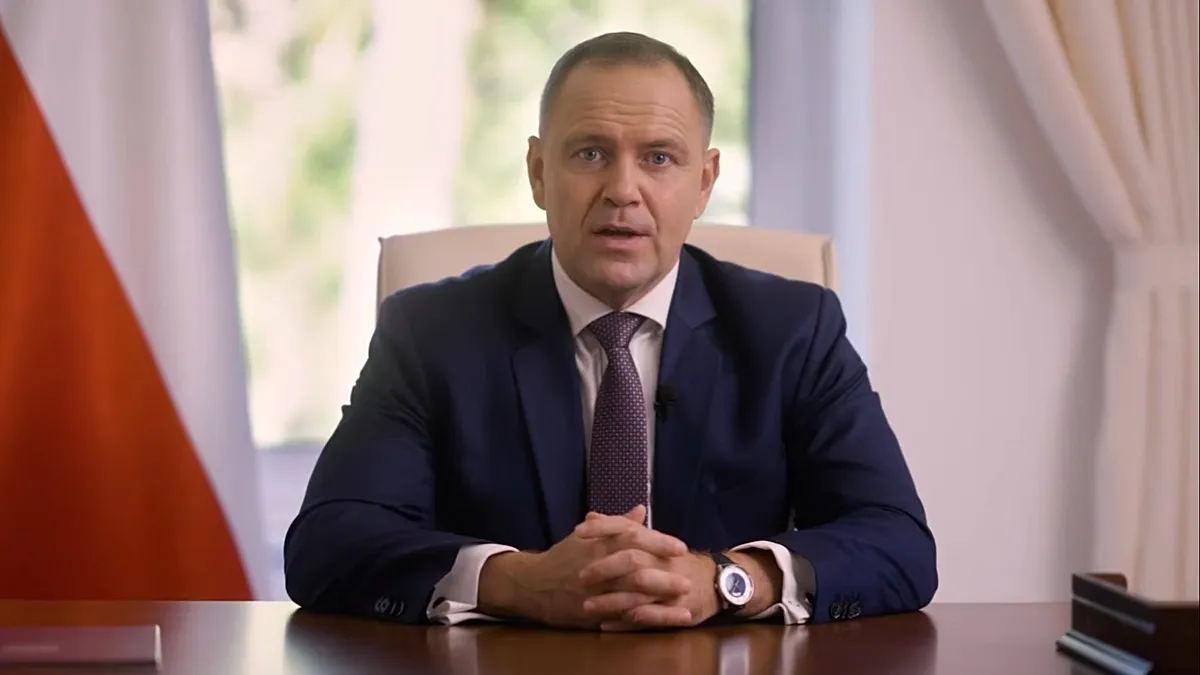
Poinews.com – Polish President Karol Nawrocki has officially vetoed a contentious civil partnerships bill, which aimed to grant legal recognition to couples in same-sex relationships. The legislation, introduced by the centrist government led by Prime Minister Donald Tusk, sought to redefine legal frameworks to include non-traditional family structures. Nawrocki’s decision reflects his alignment with conservative values, emphasizing the importance of preserving traditional marriage as a cornerstone of Polish society. His veto comes amid growing debates over LGBTQ+ rights and the role of the state in recognizing diverse family forms.
The President’s Rationale
In a statement released on social media platform X, Nawrocki articulated his concerns, declaring, “Nothing that is a quasi-marriage can count on my support.” He argued that the bill would dilute the institution of marriage, which he defined as a sacred union exclusively between a man and a woman. As a constitutional guardian, Nawrocki maintained that the legislation threatened to blur the lines between marriage and other forms of cohabitation, thereby undermining the unique legal and social significance of the marital bond. His stance was supported by a coalition of right-leaning allies within the government.
“I cannot accept a solution that would lead to the loss of the special status of marriage defined… as a union of a woman and a man,” Nawrocki declared, reinforcing his commitment to traditional family values.
Legislative Background and Tusk’s Response
The civil partnerships bill, first submitted to parliament in December 2025, proposed a “status of the closest person” for couples living together, irrespective of their sexual orientation. This would have granted them shared legal rights such as property ownership and access to medical records, akin to those of married couples. However, Tusk, the head of the pro-European Civic Coalition, criticized the veto as a “contempt toward people and their right to happiness and a normal life,” according to a tweet he posted in response. Despite his earlier pledge to advance the bill within the first 100 days of his government’s term, the legislative process stalled due to political negotiations and the influence of conservative factions.
“An expression of contempt toward people and their right to happiness and a normal life,” Tusk said, reacting to the president’s decision and highlighting the divide within the ruling coalition.
The veto has sparked significant controversy, with critics arguing that it sets back Poland’s progress on equal rights. The bill was seen as a step toward broader recognition of same-sex relationships, positioning the country as one of the last in Europe to adopt such measures. While nations like Bulgaria, Romania, and Slovakia have maintained restrictions on civil partnerships, Poland’s move has drawn attention to the ongoing tensions between progressive policies and conservative traditions within its political landscape.
Public Opinion and the Path Forward
A 2025 survey conducted by the state research agency CBOS revealed that 62% of Poles supported legalizing same-sex partnerships, marking a notable increase in public backing for the initiative. This shift in opinion has added pressure on lawmakers to revisit the issue, even as Nawrocki’s veto underscores the resistance from conservative quarters. The debate has also intensified discussions about the role of the president in shaping legislative agendas, with some analysts suggesting that his intervention may delay the passage of the bill until a new government is formed.
With the current legislative stalemate, the future of the civil partnerships bill remains uncertain. The ruling coalition, which includes Tusk’s Civic Coalition and Nawrocki’s allies, will need to navigate internal disagreements to either override the veto or introduce a revised version of the law. This situation highlights the complex interplay between political ideologies and public sentiment in Poland, as the nation continues to grapple with the question of whether to expand its legal recognition of diverse family structures.