Swiss voters reject bid to cap population at 10 million, a move that would have limited immigration
Swiss Voters Reject Population Cap Initiative Swiss voters reject bid to cap population growth, with citizens voting decisively against a proposal to set a 10

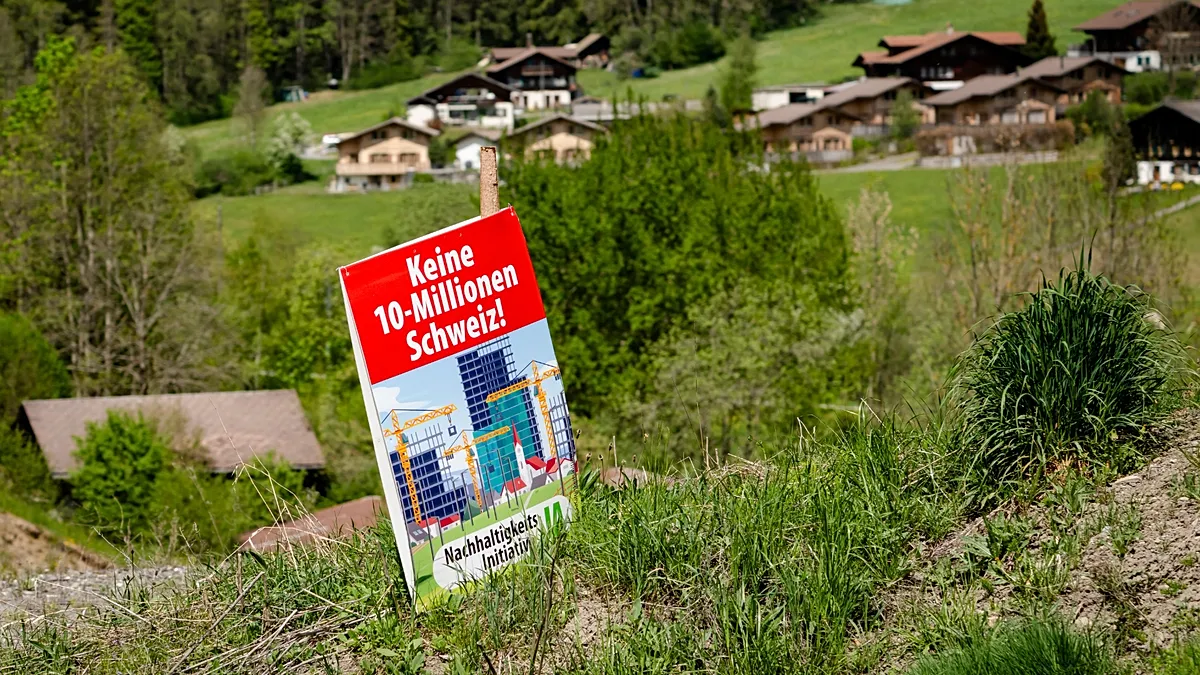
Swiss Voters Reject Population Cap Initiative
Poinews.com – Swiss voters reject bid to cap population growth, with citizens voting decisively against a proposal to set a 10 million limit on the nation’s population. The measure, spearheaded by the right-wing Swiss People’s Party (SVP), sought to restrict immigration by capping the total number of residents. Early results indicated that over 53% of voters opposed the initiative, while turnout exceeded 57%. Final tallies from all 26 Swiss cantons are yet to be finalized, but the outcome was expected to be close, as recent polls had shown a narrow margin of support.
Political and Social Implications
The rejection of the population cap bid reflects a broader debate over Switzerland’s approach to immigration. Proponents, including the SVP, argued that limiting population growth would preserve cultural identity and ease strain on public services. They highlighted concerns about rising housing costs, infrastructure demands, and the impact of EU labor migrants on local job markets. However, opponents emphasized the importance of diversity and the economic benefits brought by immigration, such as filling skilled labor shortages and boosting innovation.
Switzerland’s decision to maintain an open population policy underscores its commitment to balancing national interests with international cooperation. The country has long maintained a unique position between EU integration and sovereignty, and this referendum tested the waters of public sentiment. Critics warned that the measure could have jeopardized Switzerland’s relationship with the European Union, particularly its participation in the free movement of people agreement, which allows Swiss citizens and residents to live and work across the bloc.
Demographics and Migration Trends
Switzerland’s population has grown significantly in recent years, with nearly a quarter of its residents being foreign nationals. This demographic shift has raised concerns about the sustainability of current policies. The SVP’s proposal aimed to slow this growth, with supporters claiming that the influx of immigrants has altered the traditional Swiss way of life. However, the rejection of the cap signals continued public support for welcoming newcomers, even as debates over integration and resource allocation persist.
“Immigration has enriched our society, and we should not impose artificial limits,” stated Lena Hofmann, a Zurich-based graphic designer. “We need diversity to thrive as a global economy.”
“While I understand the concerns, I believe the cap would have forced us into a more rigid system,” added Thomas Weiss, a Bern resident. “Switzerland’s strength lies in its flexibility and openness.”
The outcome of the vote has broader implications for Switzerland’s political landscape. With the population cap defeated, the SVP’s influence on immigration policy may wane, allowing for more gradual reforms. However, the party remains a key player in Swiss politics, and its defeat could embolden supporters of open borders. The referendum also highlights the growing role of public opinion in shaping national policies, as citizens increasingly use referendums to voice their preferences on contentious issues.
Switzerland’s approach to immigration is distinct from that of EU member states, with citizens having the power to directly influence policy through regular referendums. These votes, held approximately four times a year, allow for rapid changes in legislation. The population cap initiative was one such measure, but its failure demonstrates the public’s appetite for a more flexible model. Experts suggest that while the cap was not adopted, the debate it sparked will continue to shape future immigration strategies and public discourse.