Your phone is destroying your thumbs — and here’s how to stop it
Your Phone Is Destroying Your Thumbs — And Here's How to Stop It Your phone is destroying your thumbs - Smartphones have become an indispensable part of daily

Your Phone Is Destroying Your Thumbs — And Here’s How to Stop It
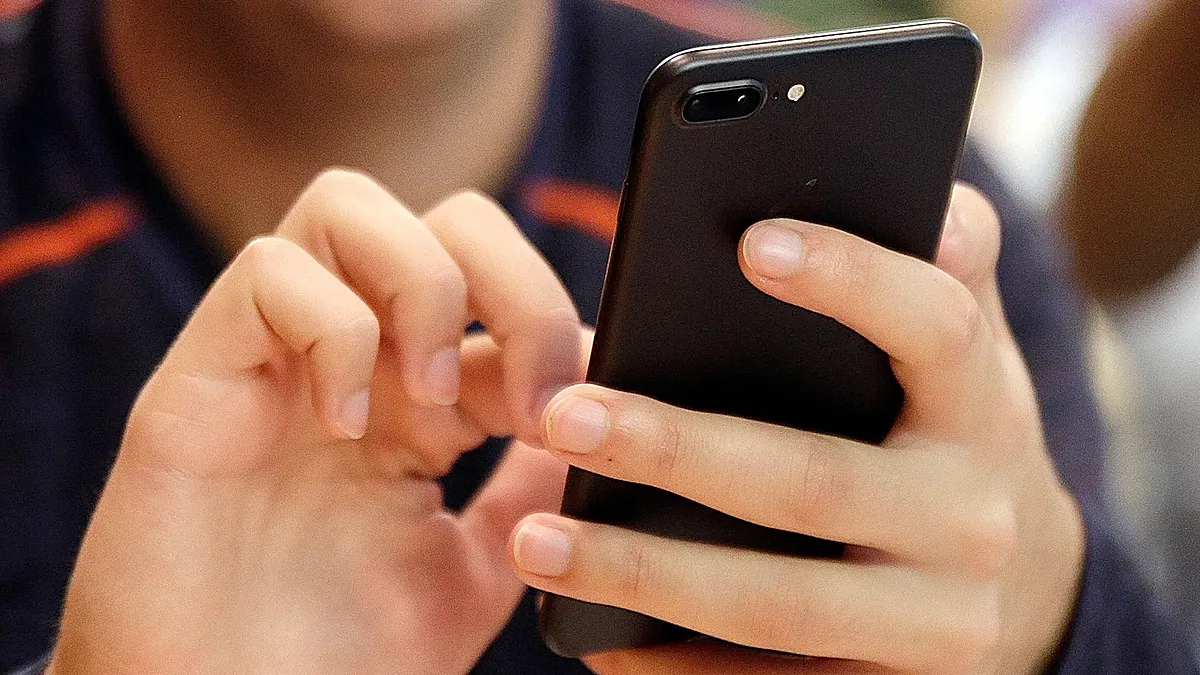
Poinews.com – Smartphones have become an indispensable part of daily life, from scrolling through endless content to handling tasks like bill payments and watching entire series. However, this constant engagement comes at a cost: the repetitive motions of swiping and typing are gradually harming our thumbs. Common issues include stiffness, pain near the knuckles, and a tingling or clicking feeling when bending the thumb, all categorized under the term “texting thumb.”
The Anatomy of the Problem
Modern phones are bulkier and heavier than earlier models, altering how we interact with them. This shift has intensified the strain on our hands, leading to overuse injuries. While “BlackBerry thumb” was a familiar issue two decades ago, today’s prolonged screen time has made these conditions more common.
“Our hands weren’t built for continuous phone use,” said Dr. Eugene Tsai, a specialist at Cedars-Sinai Orthopaedics and Sports Medicine. “To use devices effectively, we must adapt our habits to protect our musculoskeletal system.”
Keeping wrists and elbows in fixed positions for hours exacerbates discomfort at the base of the thumb and wrist. Additionally, holding phones upright for extended periods can affect other fingers. Dr. Maureen O’Shaughnessy of the University of Kentucky HealthCare Hand Center emphasized that mobile devices are here to stay, so the focus should be on making their use healthier.
Solutions to Reduce Harm
Simple adjustments can make a difference. Limiting screen time or taking brief pauses between sessions helps alleviate pressure. If that’s difficult, rotating hand dominance, using the index finger for typing, or changing grip techniques can distribute the workload more evenly. Built-in features like voice-to-text and larger text settings also reduce strain by minimizing the need to hold the phone close.
External tools, such as ring-shaped or circular grip accessories, can support the hand while holding the device and act as stands for viewing content. Incorporating daily stretches is another key strategy. For instance, tilting the palm toward and away from the body with the other hand can ease wrist tension, while thumb exercises and finger flexing promote flexibility.
When pain persists despite these measures, medical attention is crucial. Conditions like thumb arthritis, De Quervain’s tenosynovitis, or trigger thumb — characterized by a painful locking sensation — may require professional treatment. Even small changes, like consciously adjusting posture during breaks, can accumulate to significant benefits over time.