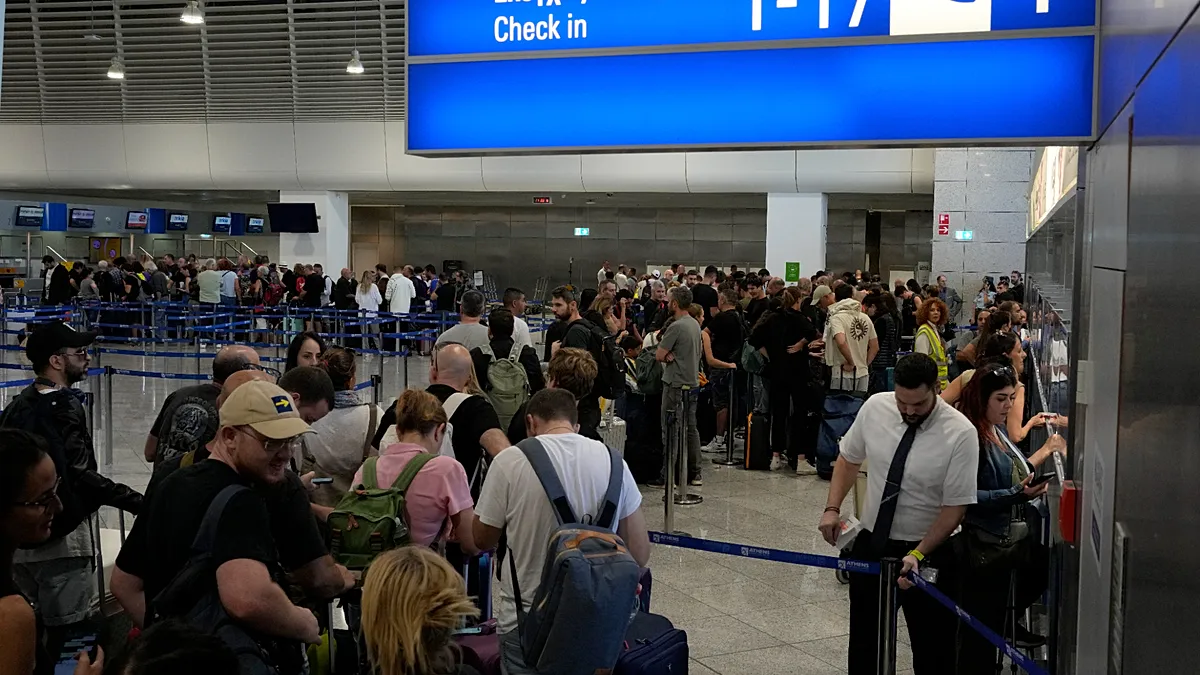
‘Serious concern’: Nine European countries urge EU to ease Entry/Exit System border checks
European Nations Voice 'Serious Concern' Over EES Border Checks Serious concern - The Entry/Exit System (EES), a digital framework designed to streamline

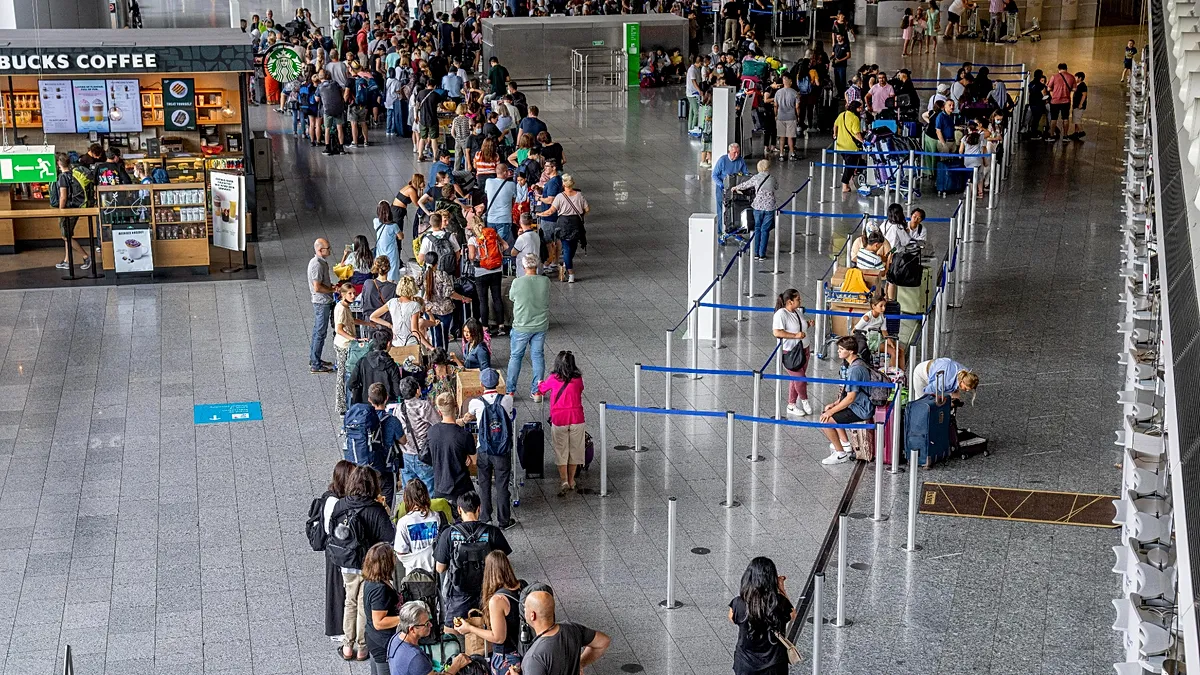
European Nations Voice ‘Serious Concern’ Over EES Border Checks
Poinews.com – The Entry/Exit System (EES), a digital framework designed to streamline cross-border travel within the EU, has sparked a wave of ‘serious concern’ among nine European countries. These nations—Belgium, France, Germany, Greece, Italy, Malta, the Netherlands, Portugal, and Switzerland—have urged the EU to extend the temporary suspension of biometric data collection, which is currently set to expire on 6 September. The decision to delay the system’s full implementation comes as officials acknowledge its early challenges, including inconsistent performance and operational bottlenecks. By maintaining the emergency safeguards, the countries aim to prevent a potential collapse in border processing, ensuring smoother travel experiences for millions of passengers.
Transport Sector Calls for Immediate Adjustments
As the EES faces mounting criticism, the transportation sector has become a key voice in the debate. Kenton Jarvis, a spokesperson for easyJet, highlighted the system’s shortcomings, calling the current border queues “completely unacceptable.” He argued that the technical delays have not only frustrated travelers but also threatened the EU’s reputation as a seamless travel destination. Similarly, Alexander Zinell, CEO of Fraport Greece, expressed frustration over the system’s “fundamental flaws,” noting that airports have had to deploy temporary measures like gazebos to protect passengers from sun exposure while waiting in long lines. These adaptations underscore the urgency for a more robust solution, with industry leaders warning that the situation could worsen without intervention.
“The EES is meant to enhance efficiency, but its rollout has been anything but smooth,” Zinell remarked. “Passengers are being subjected to unnecessary stress, and the system needs to be overhauled to meet its intended goals.”
Technical and Logistical Challenges Exposed
According to the nine countries, the EES’s first months have revealed “significant difficulties” that must be addressed before its permanent use. These challenges include software glitches, manual data entry errors, and inconsistent processing times at border checkpoints. The temporary suspension of biometric checks has allowed airports and airlines to manage the transition more effectively, but its extension is critical to prevent chaos as the system approaches full operation. With ‘serious concern’ mounting over its reliability, officials are now advocating for a phased implementation, giving the system time to adapt to real-world conditions without overwhelming users.
“We need a new version of the EES, an update, and probably a reconfiguration to allow passengers to register efficiently before their flights,” Zinell added. “The current state is unsustainable, and the system must be adjusted to align with the needs of travelers and operators.”
Impact on Travel and Tourism
The EES’s operational issues have already begun to affect tourism and travel dynamics. With delays reported at major airports across Europe, the system’s inefficiencies are deterring both leisure and business travelers. Industry representatives warn that prolonged disruptions could lead to a decline in visitor numbers, impacting the EU’s economy and its efforts to promote itself as a global travel hub. The ‘serious concern’ expressed by the nine countries reflects a broader unease about the system’s ability to handle the volume of traffic it was designed for. In particular, the suspension of biometric checks has provided a temporary reprieve, but without further modifications, the EU risks losing public trust and facing long-term consequences for its border management strategy.
“The Commission is aware of the challenges and remains committed to improving the EES,” said spokesperson Markus Lammert. “We are working closely with member states to address implementation hurdles and ensure the system’s effectiveness. However, the ‘serious concern’ raised by the countries is valid, and we must act swiftly to prevent further complications.”
Political and Economic Implications
The push for flexibility in the EES’s implementation has also sparked political discourse within the EU. With ‘serious concern’ over its initial performance, some member states are advocating for a temporary extension of the suspension, while others remain supportive of its long-term goals. This divergence highlights the delicate balance between innovation and practicality in EU policy. Economically, the delays have been felt across the aviation and hospitality sectors, with airlines reporting increased operational costs and hotels experiencing fewer bookings due to uncertain travel plans. The nine countries’ collective stance suggests a growing consensus that the EES must be refined to avoid further strain on the European economy and the travel industry.
“The EES is a vital tool for modernizing border controls, but its success depends on addressing the current challenges,” Lammert emphasized. “We are reviewing all feedback and will consider further adjustments to ensure the system meets the needs of both travelers and authorities.”