Hormuz confusion deepens as Iran and US clash over who controls it
Hormuz Confusion Deepens as Iran and US Clash Over Control Hormuz confusion deepens as Iran and US - The strategic waters of the Strait of Hormuz have become

Hormuz Confusion Deepens as Iran and US Clash Over Control
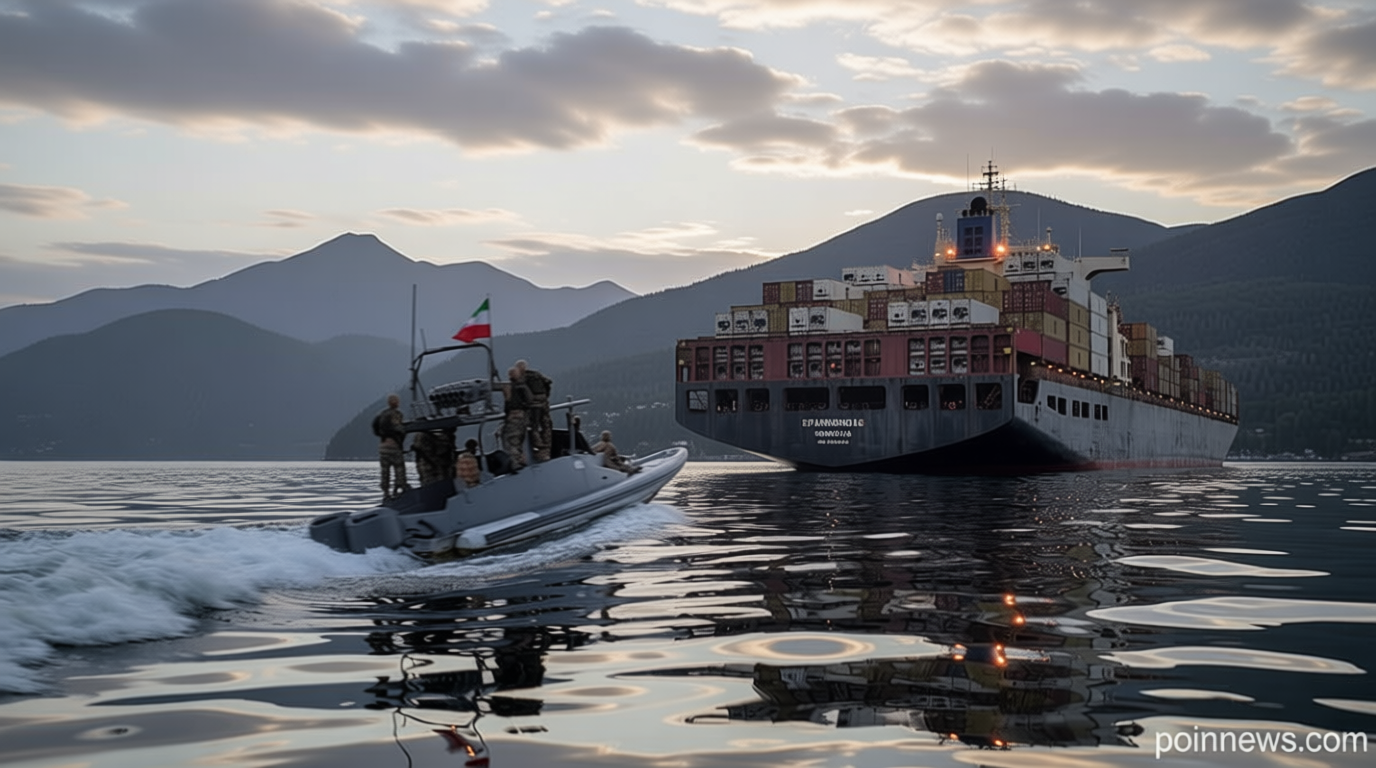
Poinews.com – The strategic waters of the Strait of Hormuz have become a focal point of geopolitical tension, with the recent dispute between Iran and the United States intensifying uncertainty over who holds the upper hand in managing this vital chokehold for global oil trade. The focus keyword, “Hormuz confusion deepens as Iran,” encapsulates the growing discord as both nations vie for dominance in the region. Iran’s assertions of sovereignty over the strait have raised concerns about the future of unrestricted maritime passage, a critical lifeline for international commerce. Meanwhile, the U.S. has sought to reassure allies and partners that its influence in the area remains strong, despite Iran’s claims of control.
The Strategic Importance of the Strait of Hormuz
Located between the Arabian Peninsula and the southern coast of Iran, the Strait of Hormuz is a narrow waterway that serves as the primary shipping route for about 20% of the world’s oil supply. Its strategic importance cannot be overstated, as any disruption could send shockwaves through global energy markets. The current standoff has sparked debates about the implications of Iran’s control over the strait. Analysts argue that if Iran successfully implements a permit-based system, it could impose tariffs or restrictions on vessels passing through, effectively leveraging its position to gain economic and political leverage. This scenario has heightened fears among energy-dependent nations and traders, who worry about potential supply chain bottlenecks.
Iran’s claim to the strait is rooted in its geographic proximity and historical ties to the region. The country has long maintained that it has the right to manage the waters, a stance that has been challenged by the U.S. and its allies. The U.S. has emphasized that maintaining open access to the strait is essential for global stability, particularly given its role as a lifeline for oil exports from the Middle East. However, Iran’s insistence on sovereignty has led to conflicting narratives, with some experts suggesting that the U.S. is trying to secure a long-term foothold in the region to counter Iran’s influence.
Diplomatic Efforts and Regional Reactions
Amid the rising tensions, Oman has emerged as a key mediator, proposing a temporary shipping corridor that would allow toll-free transit through the strait. This initiative, supported by the International Maritime Organisation, aims to balance Iran’s demands with the need for uninterrupted global trade. By facilitating a shared framework for managing navigation, Oman’s plan could serve as a compromise, though its success depends on the willingness of both Iran and the U.S. to accept it. The U.S., however, has been cautious, with officials warning that Iran’s control over the strait could lead to unpredictable changes in shipping regulations.
President Donald Trump’s recent declaration, which emphasized Iran’s commitment to free passage, has been met with mixed reactions. While it underscores the U.S. goal of maintaining open trade routes, some experts question whether such assurances can hold in the face of Iran’s growing military capabilities and regional alliances. The Iranian leadership, including Ayatollah Mojtaba Khamenei, has consistently prioritized sovereignty over the strait, framing it as a symbol of national pride and strategic independence. This divergence in priorities has deepened the confusion, as the U.S. seeks to secure access while Iran aims to assert control.
“The conflict over Hormuz highlights the broader struggle between Iran’s regional ambitions and the U.S.’s desire to maintain a stable energy corridor. If Iran secures control, it could reshape the dynamics of global oil trade and create new challenges for Western economies,” noted a recent analysis by the Institute for the Study of War (ISW).
As the situation unfolds, the U.S. has intensified its diplomatic efforts, with Secretary of State Marco Rubio traveling across the Middle East to solidify alliances and address concerns. During his visit to Abu Dhabi, Rubio engaged with UAE President Sheikh Mohamed bin Zayed Al Nahyan and other Gulf leaders, highlighting the importance of regional cooperation. The UAE, a key player in the region, has expressed support for the U.S. position, while also acknowledging the need for a pragmatic approach to managing the strait. This delicate balance between solidarity and pragmatism underscores the complexity of the current dispute.
International observers are closely monitoring the developments, with many emphasizing the need for a clear resolution to avoid prolonged instability. The ongoing negotiations between Iran and the U.S. have revealed deepening divides over the future of the strait, raising questions about the long-term consequences for regional security and global trade. As the focus keyword “Hormuz confusion deepens as Iran” remains central to the discussion, the outcome of these talks will likely determine the extent of Iran’s influence in the region and the stability of the maritime corridor. The next steps in this evolving conflict will be crucial in shaping the geopolitical landscape of the Gulf.