‘I associate them with a day-off’: Tokyo workers encouraged to wear shorts to work to save on AC
Tokyo Workers Embrace Shorts to Cope with Sweltering Heat and Energy Costs The Trend Begins: A Shift in Workplace Culture I associate them with a day off - As

Tokyo Workers Embrace Shorts to Cope with Sweltering Heat and Energy Costs
The Trend Begins: A Shift in Workplace Culture
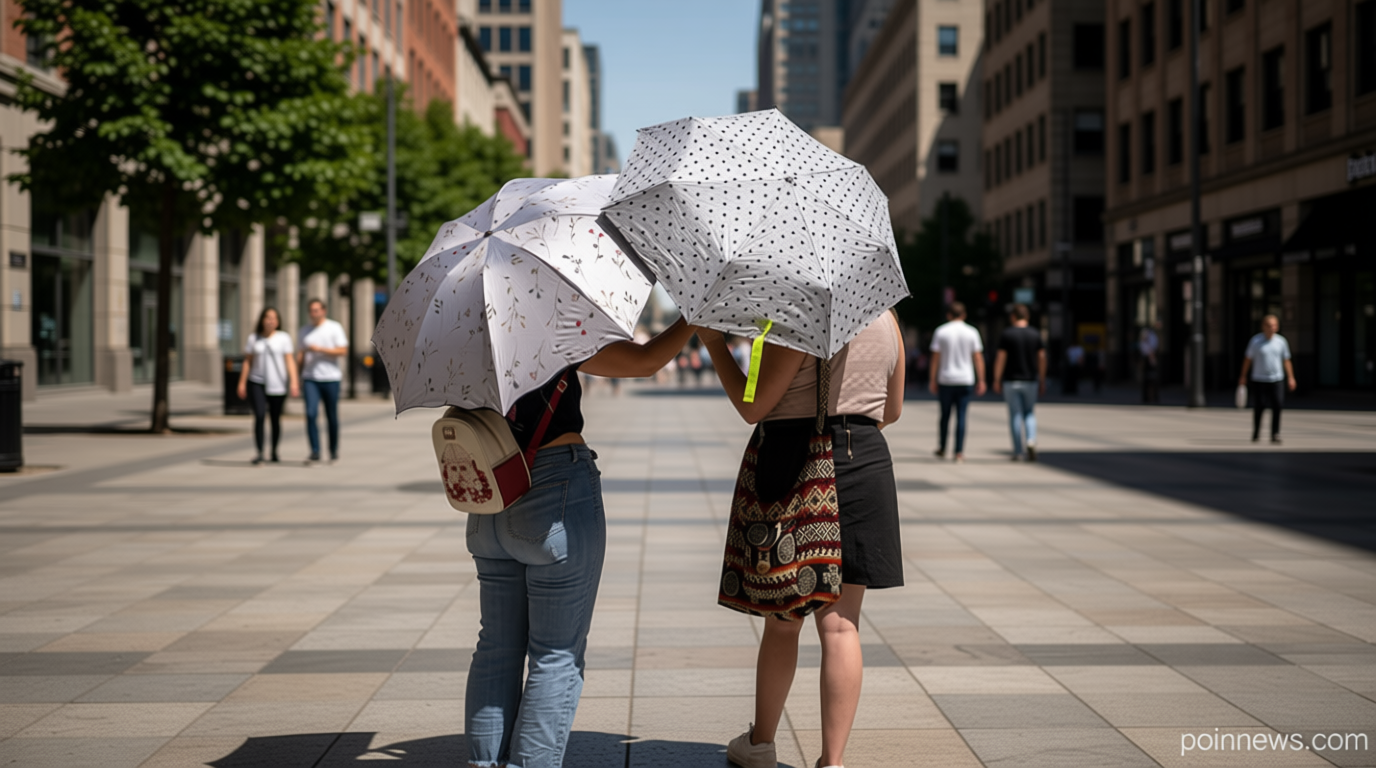
Poinews.com – As the summer heat in Tokyo intensifies, workers are increasingly embracing a relaxed approach to dress by wearing shorts to work. The phrase “I associate them with a day-off” has become a popular sentiment among employees who see short sleeves as a way to beat the heat and save on air conditioning. This trend, sparked by rising energy costs and extreme temperatures, is reshaping traditional office attire in Japan’s capital. With temperatures frequently surpassing 34°C, some workers are choosing comfort over formality, even in corporate settings.
The shift is not just about personal preference. Tokyo Governor Yuriko Koike has been a vocal advocate for adaptable dress codes, promoting “flexible” attire to ease the strain on energy resources. Her initiative, which encourages the use of shorts and other lightweight clothing, reflects a broader push to reduce reliance on air conditioning. For many, the idea of wearing shorts at work feels like a necessary compromise in the face of unbearable heat. “I associate them with a day-off,” remarked Sachie Koike, a 52-year-old realtor, highlighting the cultural link between casual clothing and relaxation.
A Climate-Driven Strategy: Cool Biz and Beyond
Japan’s push for energy-efficient workplace practices has roots in the 2005 Cool Biz campaign, which urged businesses to adopt lighter clothing and reduce air conditioning usage. While that initiative primarily targeted suits and ties, the current wave of change includes shorts as a key component. Koike’s latest campaign, introduced this spring, expands the concept by encouraging options like t-shirts, sneakers, and polo shirts—though the inclusion of shorts remains a point of contention. The goal is to create a more sustainable work environment while maintaining professionalism.
“We encourage ‘cool’ attire that prioritizes comfort, including shorts, depending on job responsibilities,” Koike stated in April. Her comments sparked a mix of reactions, with some workers viewing the policy as a practical adaptation and others questioning its impact on corporate image. For instance, Takayuki Deguchi, a 30-year-old marketer, welcomed the change, saying, “Regulating temperature through clothing choices is a smart move.” Conversely, Sachie Koike expressed concern, arguing that shorts might signal a loss of professionalism in certain industries.
The decision to adopt shorter pants has been met with mixed opinions. While some employees, like Deguchi, see it as a logical response to Japan’s record-breaking heat, others remain skeptical. The debate often centers on how casual attire affects perceptions of work ethic and corporate culture. For example, in sectors where formality is crucial, the sight of workers in shorts may raise questions about dedication. However, in industries like marketing or hospitality, the trend is gaining traction as a way to boost morale and productivity during the hottest months.
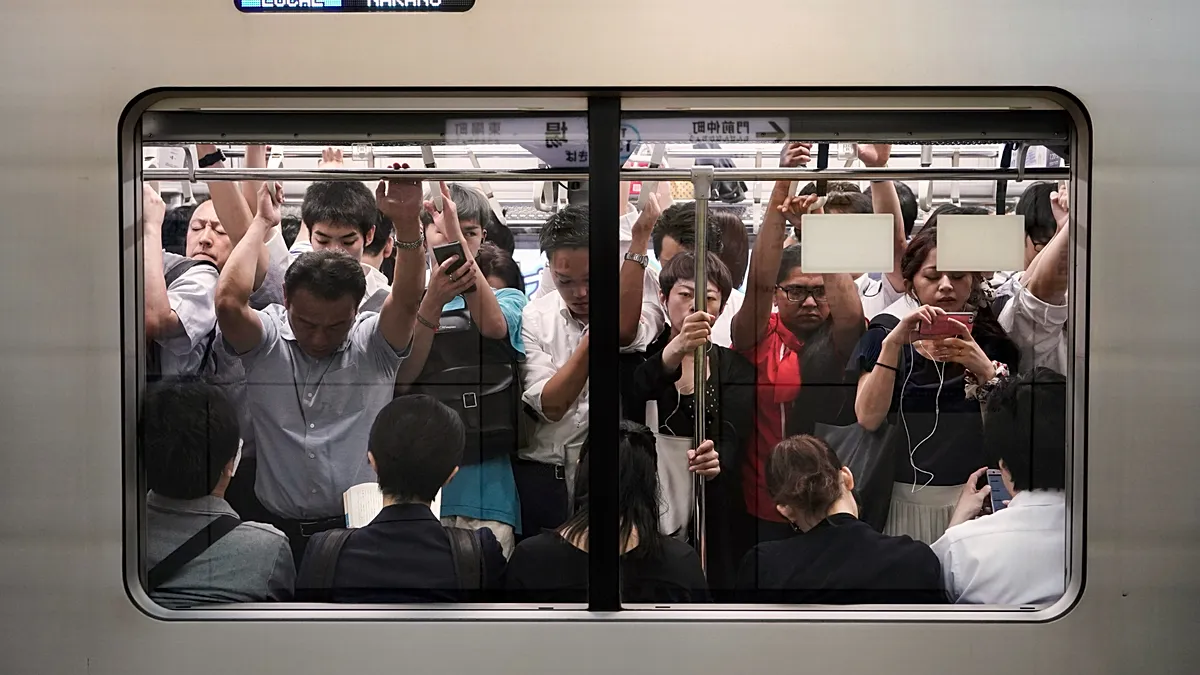
The push for flexible dress codes is part of a larger effort to address Japan’s energy challenges. The country’s dependence on air conditioning, which accounts for a significant portion of electricity consumption, has grown in tandem with urbanization and climate change. With the 2025 summer being the hottest on record since 1898, the need for energy-saving measures has become urgent. The Japan Meteorological Agency introduced a new term—“kokusho,” meaning “cruelly hot” days—to describe the prolonged heatwaves. As such, the government is encouraging businesses to explore alternatives to traditional cooling methods.
Adapting to a New Normal: Challenges and Benefits
While the movement to wear shorts in the office is gaining momentum, it has also exposed challenges in balancing comfort and professionalism. For instance, some employees face pressure to conform to traditional standards, even as the climate demands flexibility. “I associate them with a day-off,” said one office worker, noting that the shift could blur the lines between work and leisure. Yet, for others, the change represents a step toward a more modern and adaptable workplace. “It’s not about being lazy—it’s about surviving the heat,” another employee remarked, underscoring the practicality of the trend.
Experts suggest that the initiative could have long-term benefits beyond energy savings. By allowing employees to choose their attire based on environmental conditions, companies may foster a more inclusive culture. Additionally, the campaign could help reduce the carbon footprint associated with air conditioning. However, the success of this strategy depends on how well it aligns with the values of different industries. In sectors where dress codes are strictly enforced, the shift may require a cultural overhaul. Koike’s policy, though controversial, aims to bridge the gap between necessity and tradition.
As the trend continues, it’s likely to inspire similar movements in other cities. Tokyo’s experience offers a model for how workplaces can adapt to climate change while maintaining efficiency. The phrase “I associate them with a day-off” may evolve from a casual observation into a widely accepted norm. Whether this marks a permanent shift or a temporary adaptation, the message is clear: in the face of extreme heat, comfort and sustainability are becoming intertwined in the Japanese workplace.