Video. South African protesters call for undocumented migrants to leave
South African Protesters Call for Undocumented Migrants to Leave South African protesters call for undocumented migrants to leave – a growing movement fueled

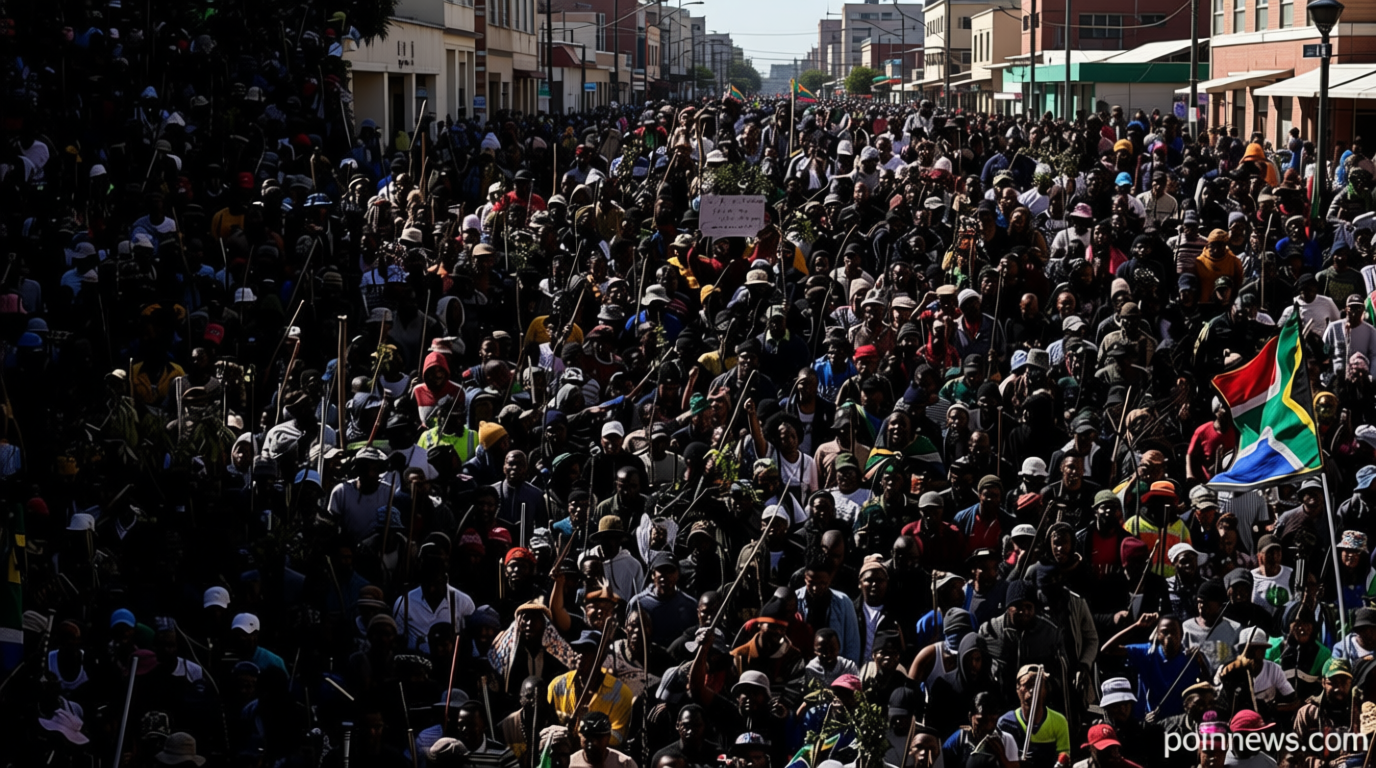
Table of Contents
South African Protesters Call for Undocumented Migrants to Leave
Poinews.com – a growing movement fueled by economic and social concerns has seen citizens across the country demand stricter immigration policies and the deportation of unregistered migrants. In recent weeks, demonstrations have gained momentum, with participants expressing frustration over perceived threats to jobs, public services, and national identity. The focus keyword, “South African protesters call for undocumented,” has become central to the discourse, highlighting a collective push for legislative reform and greater control over border management. As tensions rise, the calls for action have sparked debates about the role of immigration in South Africa’s development and the balance between humanitarian values and national priorities.
The Context of the Protests
The protests are part of a broader wave of anti-immigrant sentiment that has been building for years, but recent events have intensified public demand. Many demonstrators argue that the influx of undocumented migrants, primarily from neighboring countries like Zimbabwe and Malawi, has strained resources and contributed to rising unemployment. According to official statistics, over 500,000 undocumented migrants have been registered in the country in the past year, prompting fears of economic competition and cultural dilution. While some see migration as a natural part of South Africa’s integration efforts, others view it as a crisis requiring immediate intervention. The current wave of protests has also been influenced by political polarization, with certain parties leveraging public discontent to gain support for stricter immigration policies.
Protest Demands and Legislative Calls
South African protesters call for undocumented migrants to leave as they demand the government to enforce existing immigration laws more rigorously. The movement has emphasized the need for a comprehensive strategy to address the growing number of unregistered arrivals, including measures such as increased border patrols, expedited deportation processes, and stricter documentation requirements. Some protest leaders have also called for the establishment of a dedicated task force to monitor migration trends and ensure compliance with national regulations. These demands reflect a desire to create a more structured system, where migrants are required to meet specific criteria before being allowed to reside in the country. While the focus keyword is central to the protests, it is also echoed in the public’s growing calls for accountability and clarity in immigration policy.
Key Voices in the Movement
Jacinta Ngobese-Zuma, a prominent advocate in the movement, addressed the crowd during the recent demonstration in Durban, stating that the protest represented a “cultural and economic turning point” for South Africa. She argued that the current immigration framework had failed to protect local workers and that the government needed to prioritize the rights of citizens over those of undocumented migrants. “Our voices have been drowned out for too long,” she said, urging authorities to take decisive action. Her words resonated with many attendees, who waved banners reading “End the migrant crisis” and “Protect our jobs.” The protest also drew support from other groups, including the Economic Freedom Fighters and the Inkatha Freedom Party, which have long championed stricter immigration controls. These alliances underscore the political dimension of the movement, as leaders use the issue to rally public opinion and push for policy changes.
South African protesters call for undocumented migrants to leave as they seek to pressure the government into implementing policies that reflect their concerns. In addition to Jacinta Ngobese-Zuma, other figures have voiced similar sentiments, highlighting the grassroots nature of the movement. Some demonstrators have also criticized the lack of integration programs for migrants, arguing that without such initiatives, the country risks becoming a dumping ground for economic migrants. Social media has played a key role in amplifying these calls, with hashtags like #EndMigrantCrisis and #SouthAfricaFirst trending widely. This digital mobilization has further fueled public discourse, drawing attention to the intersection of migration, identity, and economic inequality. As the protests continue, the focus keyword remains a powerful tool in shaping the narrative around South Africa’s immigration challenges.
Impact on Public Perception and Policy
The protests have not only intensified public debate but also put pressure on policymakers to respond swiftly. South African protesters call for undocumented migrants to leave as they push for legislative action, with some calling for the revocation of temporary protection permits and the establishment of a more stringent visa system. The government has faced criticism for its perceived leniency in handling migration, with calls to revisit the National Migration Act of 2002. Meanwhile, the public’s mixed reactions reveal a complex social landscape, where some citizens support the movement’s goals, while others argue that migrants contribute to the economy and should be given a chance to integrate. This divide has also led to discussions about the role of xenophobia in South Africa’s political and social dynamics, with some analysts suggesting that the protests are a response to broader issues of economic insecurity and identity.
As the protests continue, their impact on national policy is becoming increasingly evident. The focus keyword, “South African protesters call for undocumented,” has been used to frame the discussion around migration, prompting calls for the government to address the issue of unregistered residents more effectively. In recent weeks, there have been reports of increased border security measures and the temporary suspension of certain migration programs. However, the protests have also highlighted the need for a balanced approach, where both the rights of citizens and the contributions of migrants are considered. The movement’s emphasis on clarity and accountability has encouraged public engagement, with citizens demanding transparency from the government in how migration policies are implemented. This growing awareness has set the stage for a more informed and nuanced conversation about the future of immigration in South Africa.