EU ‘re-assessing’ summit with UK after Keir Starmer lays out exit plan
EU 'Re-Assessing' Summit with UK after Keir Starmer Lays Out Exit Plan EU re assessing summit with UK after - The European Union has begun to EU re assessing

EU ‘Re-Assessing’ Summit with UK after Keir Starmer Lays Out Exit Plan
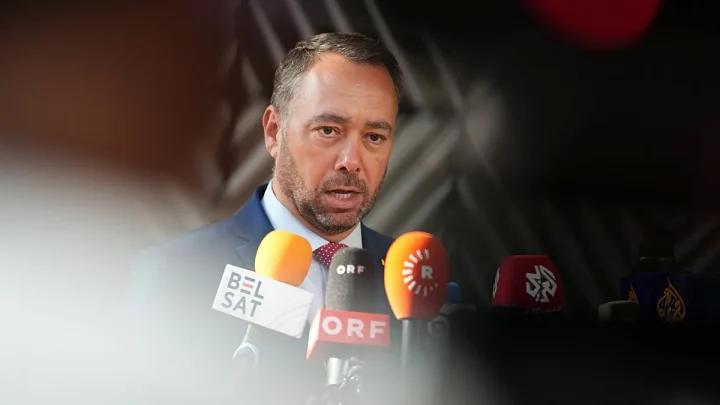
Poinews.com – The European Union has begun to EU re assessing summit with the United Kingdom, signaling a potential shift in the timeline for critical diplomatic talks. Originally scheduled for July 22, the summit’s fate is now in question following Prime Minister Keir Starmer’s announcement of his plans to step down, which has prompted Brussels to reconsider the event’s organization. European Commission spokesperson Paula Pinho confirmed that the summit is under review, stating,
“We are re-assessing with (European Council) President Costa and the UK the opportunity of still holding the summit as had been announced last week and we will take it from here.”
This development underscores the growing political uncertainty surrounding the UK’s post-Brexit relationship with the EU.
The Original Summit Objectives
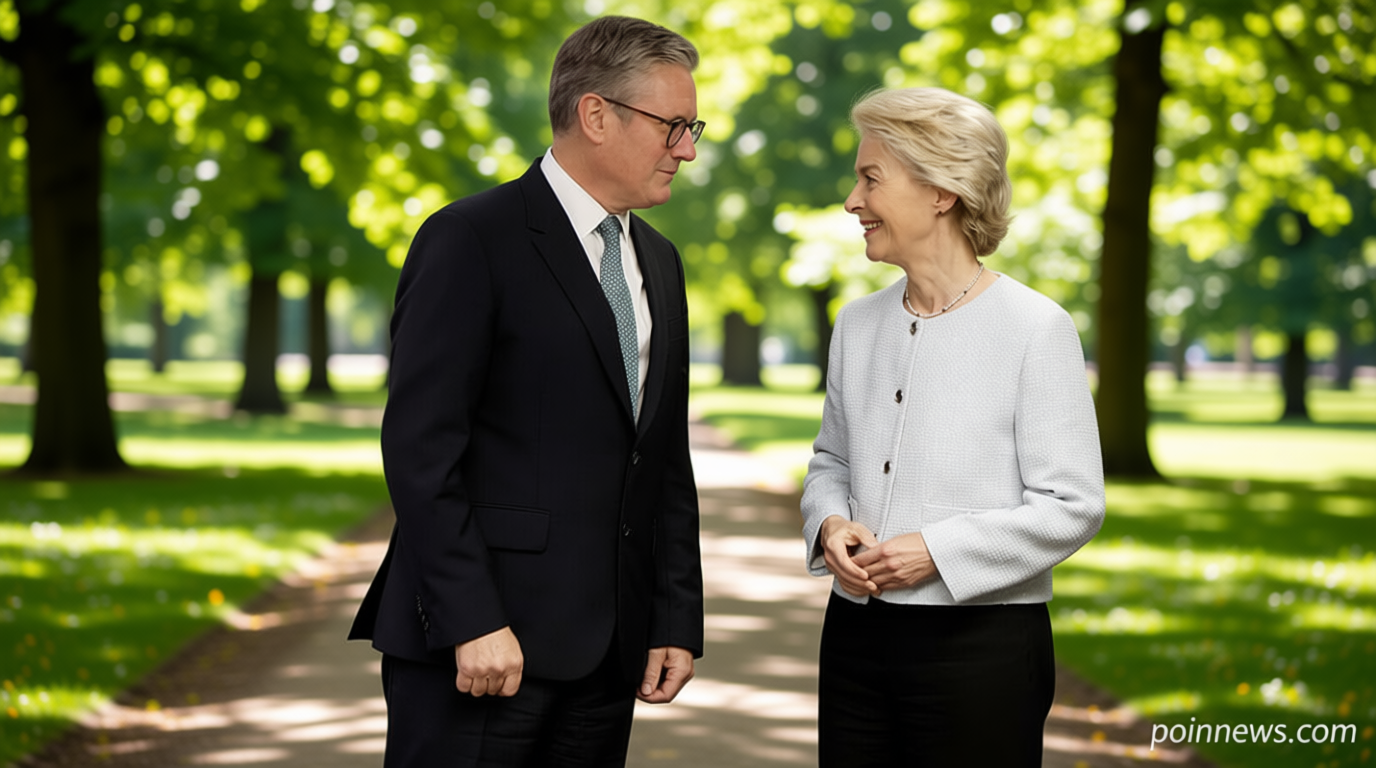
Initially, the summit was intended to address key issues such as trade agreements, electricity market integration, and youth mobility, which have been central to the UK’s efforts to strengthen ties with the EU since Brexit. The date was finalized during a high-level meeting in France, where Starmer and European Commission President Ursula von der Leyen, along with Council President António Costa, discussed the event’s significance. The timing was chosen to align with the UK’s ambitious agenda, aiming to solidify progress on sector-specific deals before the end of the year. However, Starmer’s exit plan has cast doubt on these goals, forcing EU officials to evaluate the best course of action.
The Political Shift in the UK
Starmer’s decision to announce his resignation has created a ripple effect in British politics. His administration, which was elected in July 2024 on a platform promising improved EU relations, has maintained a firm stance on not joining the Single Market or Customs Union. This approach has led to a complex negotiation process, requiring tailored agreements to maintain the current trade dynamic. EU officials are now weighing the implications of this political change, with some suggesting that the summit may be postponed to allow for a smoother transition of leadership. A senior EU representative, who asked for anonymity, noted that the timing of the summit could be adjusted to accommodate the new government’s priorities.
Starmer’s exit timetable, which includes the installation of a new Prime Minister by September, has introduced a new layer of uncertainty. While the initial assumption was that Andy Burnham, the former mayor of Greater Manchester and a frontrunner for the role, would take over in mid-July, the political landscape has shifted rapidly. Wes Streeting, a former health minister who resigned in May, publicly endorsed Burnham on Monday, signaling strong support for his candidacy. However, Burnham’s recent victory in the Makerfield by-election has strengthened his position, potentially allowing him to challenge Starmer’s leadership. The EU remains keenly interested in how this leadership change will affect ongoing negotiations.
Implications for EU-UK Negotiations
The EU re assessing summit has raised concerns about the continuity of the UK’s Brexit strategy. Starmer’s government had positioned itself as a bridge between the UK and the EU, aiming to finalize agreements that would ease trade tensions and integrate key sectors. With his departure imminent, the EU is now assessing whether the summit can still serve its purpose or if it needs to be rescheduled to ensure clarity and stability. EU officials have emphasized that the summit’s success depends on the UK’s ability to maintain a coherent policy direction, a challenge that may now be more pronounced with the leadership transition.
Meanwhile, the UK’s EU relations minister, Nick Thomas-Symonds, expressed confidence that the summit could still yield positive results. In a recent interview with Euronews, he stated,
“Despite the leadership change, we remain committed to advancing our bilateral cooperation with the EU. The summit represents a crucial opportunity to build on existing progress and address outstanding issues.”
However, the recent by-election victory for Burnham has added momentum to his campaign, which could influence the UK’s approach to the summit. While Burnham has pledged to avoid repeating the Brexit debates, he has also indicated a desire to revisit EU membership, raising questions about the future of UK-EU relations.
As the EU re assessing summit moves forward, the focus will likely shift to the new administration’s priorities. If Burnham assumes leadership in July, the summit may become a platform for a more ambitious EU integration strategy. Conversely, if Starmer remains in office until September, the event could still serve as a bridge between his tenure and the new government’s vision. EU officials are now in a delicate position, balancing the need for stability with the urgency of adapting to the changing political landscape. The outcome of this EU re assessing summit will be closely watched, as it could determine the trajectory of UK-EU relations in the coming months.