Europe continues to swelter amid record-breaking temperatures
Europe continues to swelter amid record-breaking temperatures Europe continues to swelter amid record - Europe continues to swelter amid an intensifying

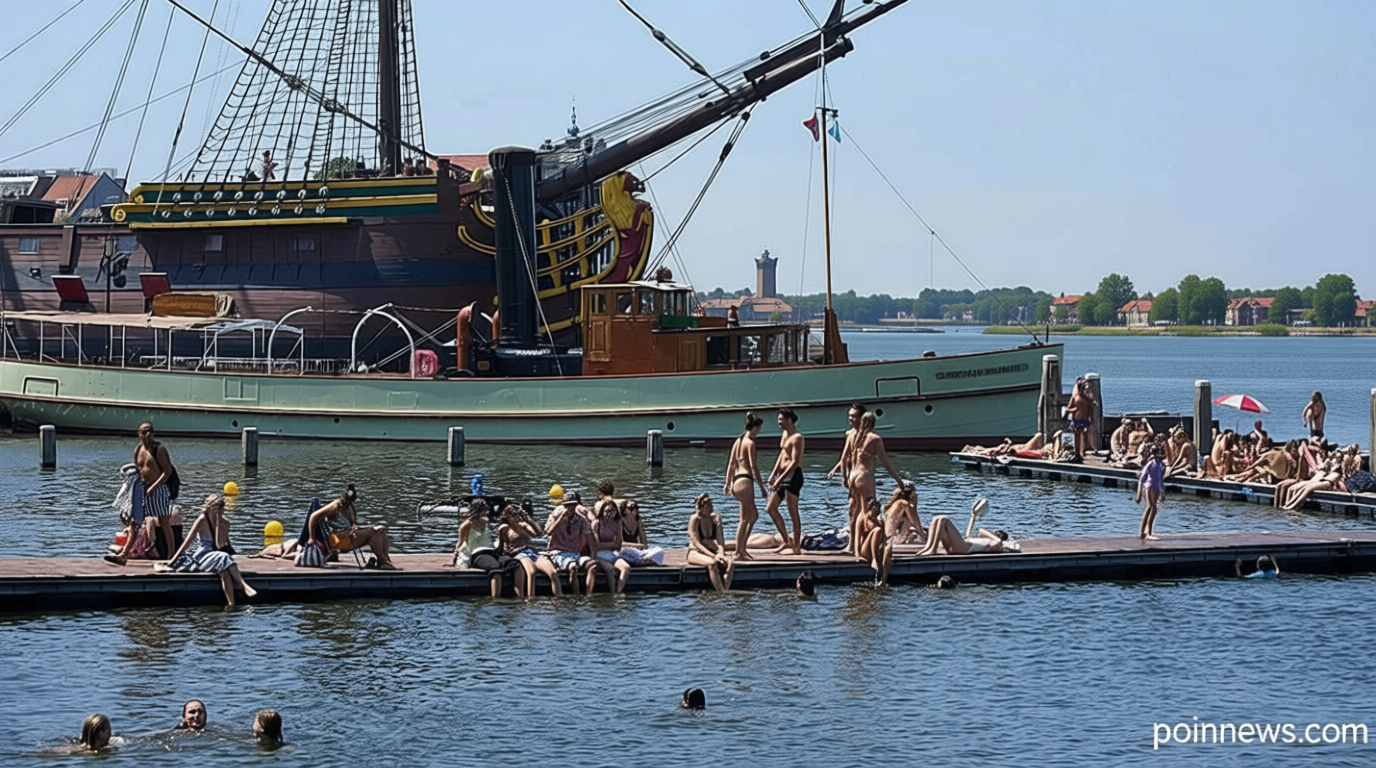
Table of Contents
Europe continues to swelter amid record-breaking temperatures
Poinews.com – Europe continues to swelter amid an intensifying heatwave that has gripped the continent for weeks, pushing temperatures to unprecedented levels in multiple regions. As the weekend unfolds, the sweltering conditions persist, with heat indices exceeding historical averages and weather forecasts warning of prolonged extreme weather. From the UK to Spain, and from Germany to France, the relentless sun has created a perfect storm of sweltering temperatures, forcing governments and communities to take emergency measures to safeguard public health. The crisis has disrupted daily life, impacting everything from transportation to agriculture, while also highlighting the growing challenges of climate change in the region.
Crisis Management and Public Safety Measures
The situation has prompted an array of crisis management strategies, with countries implementing strict protocols to mitigate the risks of heat-related illnesses. In France, local authorities have taken swift action, including the temporary ban on public alcohol consumption in Paris to reduce the likelihood of heat-induced dehydration. This decision, announced amid soaring temperatures, reflects the urgency of the situation as emergency services report a surge in heat-related calls. Meanwhile, the Pride March in Paris, originally scheduled for Saturday, was postponed to underscore the gravity of the heatwave’s impact on large gatherings. The Eiffel Tower and Louvre Museum also closed earlier than usual, emphasizing how the heat is affecting even iconic cultural landmarks.
Mayor Emmanuel Grégoire of Paris issued a stark warning after a tragic incident in the Canal Saint-Martin, where a man drowned due to the extreme heat. His statement, quoted in the article, serves as a poignant reminder of the dangers lurking in the sweltering conditions. “A man drowned in the Canal Saint-Martin on Friday night, reminding us of the risks associated with swimming beyond supervised times and designated hours,” Grégoire emphasized. This incident has heightened awareness among residents, with many opting to seek refuge in shaded areas, water parks, or indoor spaces to escape the oppressive heat. Authorities are also urging people to stay hydrated, check on vulnerable neighbors, and avoid prolonged exposure to the sun during peak hours.
Temperature Trends and Regional Impacts
Temperature records have been shattered across the continent, with the French capital, Paris, reaching a staggering 39°C, setting a new benchmark for sweltering conditions in June. This extreme weather is not isolated to Paris, as Météo-France reports that 37 departments were under a red heat alert on Saturday, with the number expected to drop to 24 by Sunday. The data underscores the widespread nature of the crisis, with each region experiencing its own unique set of challenges. In western Germany, the town of Saarbrücken recorded a national high of 41.3°C on Friday, prompting Uwe Baumgarten of the German Weather Service to speculate that temperatures could surpass this figure in the coming days.
Meanwhile, the United Kingdom faces its own set of concerns, with Santon Downham in Suffolk marking the hottest June day on record at 37.3°C. Parts of eastern and southeast England remain under an amber heat warning, indicating that the sweltering conditions are not only extreme but also likely to persist. The Royal Society for the Protection of Birds has warned of the impact on wildlife, while the National Health Service (NHS) has seen an uptick in heatstroke cases, particularly among the elderly and those with preexisting health conditions. The sweltering heat has also disrupted transportation, with train services delayed and flights rerouted due to air traffic control challenges.
Spain, another country battling the heat, has reported temperatures surpassing 40°C in several regions, creating a dire situation for both residents and visitors. The Spanish National Weather Agency forecasts that these conditions will continue into the following week, with the western, central, and southern mainland areas expected to remain in the grip of sweltering temperatures. Farmers are struggling with crop damage, while energy grids face strain as demand for cooling rises. The situation has also led to a surge in outdoor workers taking additional breaks, and some cities have introduced cooling centers to provide relief to those without access to air conditioning.
“This could be surpassed on Saturday,” stated Uwe Baumgarten of the German Weather Service, AFP. His remarks highlight the urgency of the situation, as the heatwave shows no signs of abating. Across Europe, the combination of sweltering temperatures and record-breaking heat has created a perfect scenario for prolonged discomfort, with some regions experiencing their hottest June in decades. The sweltering conditions are expected to persist through the early weeks of July, raising concerns about the potential for widespread health and economic repercussions.
As the heatwave continues, the broader implications for Europe’s climate and environment are becoming increasingly apparent. Scientists warn that the sweltering temperatures are a clear indicator of the shifting climate patterns, with heatwaves growing more frequent and intense due to global warming. The European Environment Agency has noted a steady increase in heat-related incidents over the past decade, suggesting that such extreme weather may become the new normal. In addition to the immediate health risks, the sweltering conditions are also affecting agricultural productivity, energy consumption, and even wildlife habitats, painting a complex picture of the continent’s resilience in the face of climate challenges.