Explainer: Why Péter Magyar is reluctant to align with the EU on Ukraine
Explainer: Why Péter Magyar is Reluctant to Align with the EU on Ukraine Explainer - In early June, Péter Magyar, Hungary’s newly appointed prime minister

Explainer: Why Péter Magyar is Reluctant to Align with the EU on Ukraine
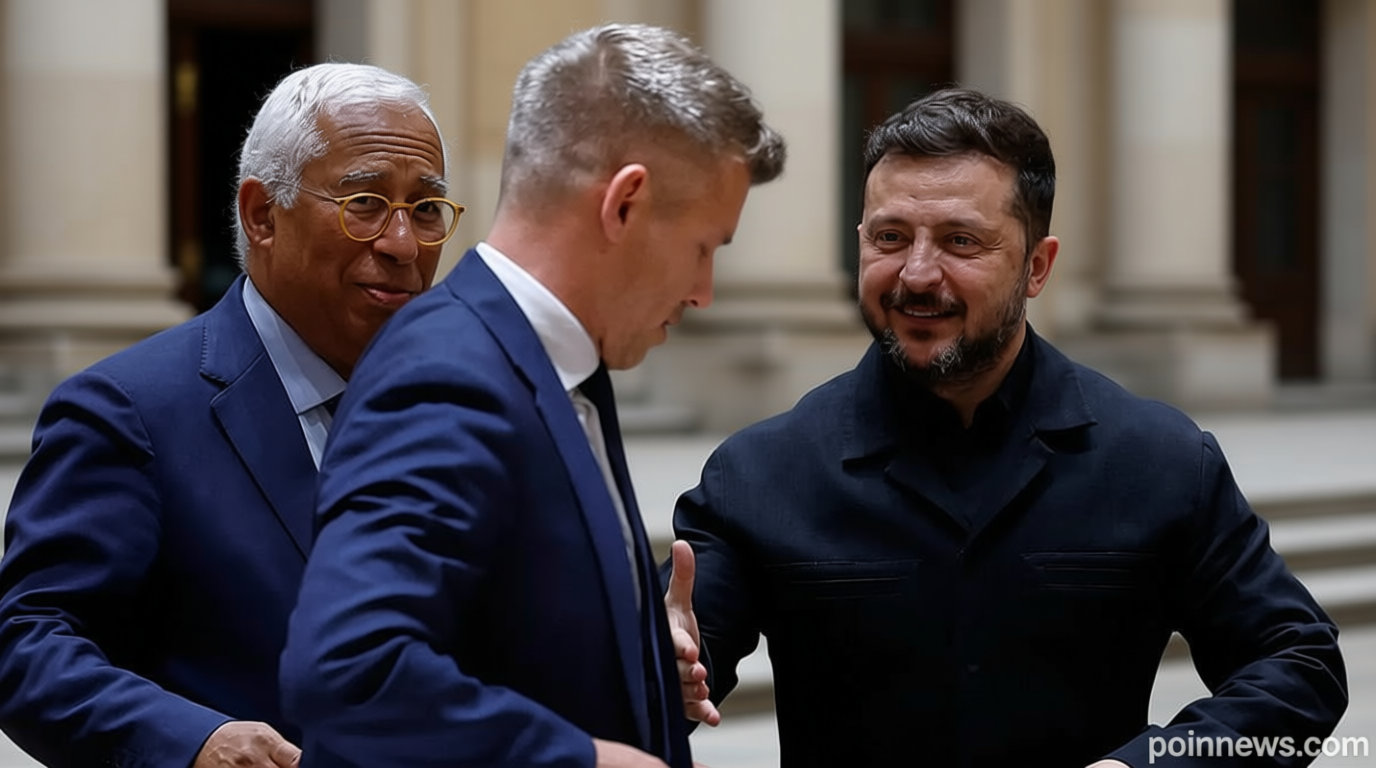
Poinews.com – In early June, Péter Magyar, Hungary’s newly appointed prime minister, removed the country’s longstanding EU membership veto for Ukraine, prompting cautious optimism in Brussels and Kyiv. This shift ended Viktor Orbán’s prolonged obstruction of Ukraine’s accession process, a move endorsed by Commission President Ursula von der Leyen and Council President António Costa. However, Magyar swiftly tempered expectations, emphasizing that his government does not support accelerating Ukraine’s path to EU entry.
Slow Progress on Membership Clusters
At his inaugural European Council meeting, Magyar clarified his stance on Ukraine’s EU integration. He requested the removal of a clause from the joint conclusions urging the EU to open all remaining negotiating clusters with Kyiv “as soon as possible.” “We edited the text to prevent any indication that opening one cluster would lead to rapid progress on others,” he explained. “That pace doesn’t align with our priorities.”
“We removed a lot from the text to avoid any explicit suggestion that, now that the first cluster has been opened, all the others will suddenly be opened as well,” Magyar stated. “We do not think that would be a good idea.”
Political Calculations and Bilateral Agreements
Magyar’s opposition to fast-tracking Ukraine’s membership became a cornerstone of his campaign, a position he continues to uphold. Dániel Hegedűs, Deputy Director of the Institut für Europäische Politik, noted that Magyar’s government is not fully transparent about its stance on EU-Ukraine relations. “The new Hungarian administration hasn’t clearly conveyed its reservations to the public,” Hegedűs remarked.
Magyar’s decision to lift the veto was partly strategic, aiming to portray Hungary as a cooperative EU partner. The move followed a political pact with von der Leyen to release €16.4 billion in frozen EU funds, which both sides claimed was unrelated to Ukraine’s accession. Yet, Hungary soon blocked a joint EU proposal to advance the remaining five clusters, stating the first cluster’s approval was still fresh.
Support for Western Balkans Candidates
Magyar also positioned his resistance as a safeguard for Western Balkan nations vying for EU membership. “It sends the wrong message to countries that have invested years in their accession,” he argued. “Some have even changed their names or rewritten constitutions to align with EU standards.”
Western Balkans applicants, including Montenegro, Albania, North Macedonia, and Serbia, have long awaited progress. Hegedűs pointed out that these candidates have made rapid strides in opening clusters, suggesting Magyar’s focus might not be as much about their interests as his own political image.
Minority Rights as a Precondition
The first cluster’s opening was tied to a bilateral agreement between Hungary and Ukraine addressing the rights of the Hungarian minority in Transcarpathia. Magyar insisted this deal was necessary before further EU alignment. His Tisza Party now claims any additional steps depend on Kyiv fulfilling the agreement, though details remain undisclosed in both capitals.
“If they are now arguing that they would like to see the implementation of the minority deal before opening those clusters, I am simply asking whether they actually communicated this position to the Ukrainian side during those bilateral negotiations,” Hegedűs said. “I think it is very difficult to argue that the Hungarian government is acting in good faith.”
Magyar had previously promised to meet President Zelenskyy in Transcarpathia once the agreement was finalized. That meeting, however, has not yet occurred, leaving questions about the sincerity of Hungary’s commitment to the deal. Despite this, the European Commission has scaled back its ambitions, aiming to open only two clusters with Ukraine in July instead of all five.