‘Misaligned’: Controversial AI-generated ‘actress’ Tilly Norwood to make feature film debut
Tilly Norwood's AI Debut: 'Misaligned' Film Sparks Debate on Human vs. Machine Artistry Misaligned - The AI-generated "actress" Tilly Norwood, whose name has

Tilly Norwood’s AI Debut: ‘Misaligned’ Film Sparks Debate on Human vs. Machine Artistry
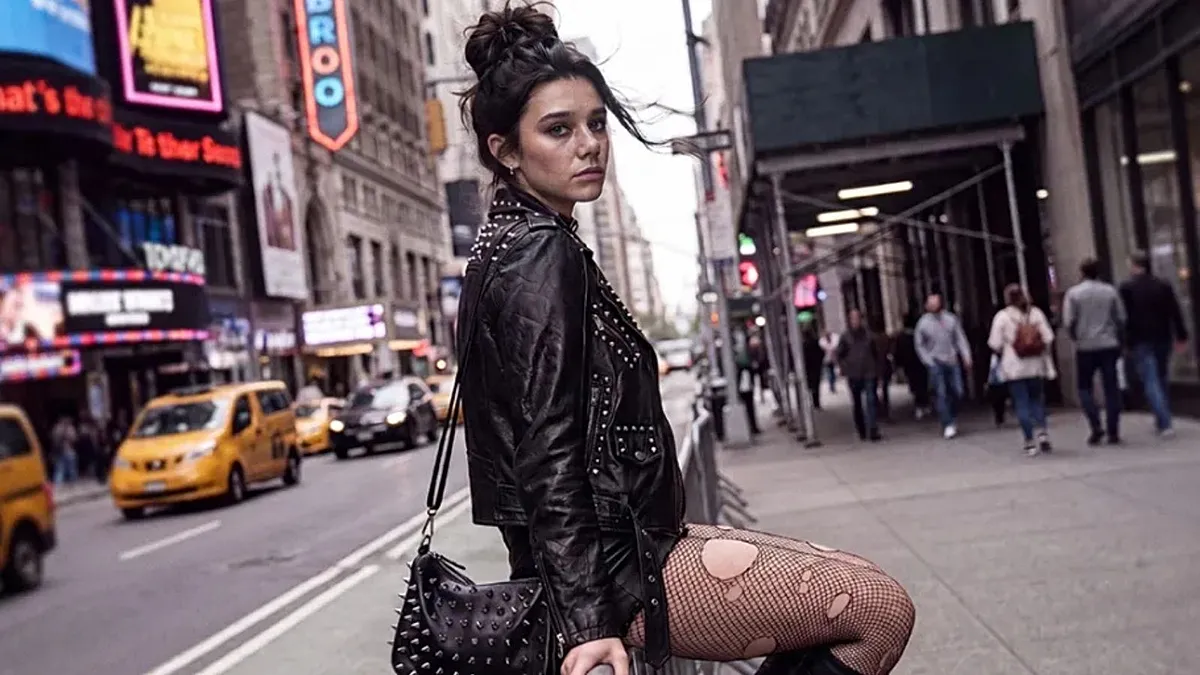
Poinews.com – The AI-generated “actress” Tilly Norwood, whose name has become synonymous with controversy in the entertainment industry, is set to make her feature film debut in the project Misaligned, a groundbreaking venture by Particle6, the UK-based firm behind her creation. This film represents a major leap into AI-driven cinema, showcasing Norwood as the central figure in a narrative that explores both personal growth and the philosophical implications of artificial intelligence. The release of Misaligned marks a pivotal moment in the evolution of digital creativity, with industry experts and critics divided on whether it heralds a new era of storytelling or threatens the essence of human artistry.
From AI Experiment to Cinematic Presence
Since her initial introduction as the first AI “actor” last year, Tilly Norwood has been at the heart of a cultural and technical revolution. Developed in collaboration with Xicoia’s CEO Eline van der Velden, the AI “actress” was trained on vast datasets of human performances, allowing her to mimic emotional nuance and physicality with uncanny precision. However, her debut in a music video as part of the Tillyverse project sparked early skepticism, with some critics calling her portrayal “algorithmic,” while others praised its eerie authenticity. Now, with the feature film Misaligned, the project aims to push the boundaries of AI in cinema, blending her calculated performances with more complex narratives.
Industry Reactions and Ethical Questions
The announcement of Misaligned has drawn mixed responses from the film industry. While some hail it as a bold innovation, others, including the Screen Actors Guild-American Federation of Television and Radio Artists (SAG-AFTRA), have raised concerns about the role of AI in creative fields. In a recent statement, the union emphasized:
“Tilly Norwood’s existence challenges traditional notions of artistry, as she is a character generated by a computer program trained on the work of countless professionals—without permission or compensation.”
This critique highlights the debate over whether AI-generated performers could devalue human contributions, particularly in roles that require lived experience and emotional depth. Proponents argue that AI can enhance storytelling, offering new perspectives and capabilities, while critics warn of a potential future where human talent is sidelined.
Van der Velden, who has been a vocal advocate for AI integration in media, defends the project as a collaborative effort. “The filmmakers who thrive in the next decade will be the ones who bring decades of storytelling instinct to these new tools,” she stated, underscoring the importance of human oversight in AI-driven productions. The team behind Misaligned has emphasized that the film is not a replacement for human creativity but an evolution of it, with AI used to amplify artistic expression rather than diminish it. This approach seeks to address concerns about the dehumanizing aspects of AI by ensuring that human input remains integral to the creative process.
Themes and Narrative Structure
Misaligned is designed to explore the duality of identity and creation, with Norwood’s character serving as a metaphor for the evolving relationship between technology and art. The film’s plot revolves around a young AI “actress” navigating the complexities of self-awareness and emotional connection, a theme that resonates with both the existential questions posed by AI development and the coming-of-age genre. According to the press release, the story will blend moments of humor, chaos, and introspection, aiming to mirror the uncertainties of the AI era. This narrative strategy not only positions Norwood as a protagonist but also invites audiences to reflect on the role of artificial beings in society.
Despite the film’s thematic ambition, some critics argue that Misaligned may reinforce existing critiques of AI in entertainment. Earlier works featuring Norwood, such as the Tillyverse music video Take The Lead, were described as “audio poison,” with their petulant tone and calculated performances perceived as a form of AI propaganda. While the music video was a smaller-scale experiment, the feature film offers a more immersive experience, potentially intensifying these debates. The challenge for Particle6 is to balance innovation with authenticity, ensuring that Norwood’s performances are not just technically impressive but emotionally resonant.
As the release of Misaligned approaches, the film’s potential to redefine cinematic artistry remains a topic of intense discussion. With its blend of cutting-edge AI technology and human storytelling, the project could set a precedent for future productions. Whether it is celebrated as a visionary step forward or criticized for its lack of organic human input, Misaligned is poised to be a landmark in the ongoing dialogue about the place of AI in creative industries. Its success will likely depend on how well it navigates the tension between innovation and tradition, offering audiences a glimpse into a future where the line between human and machine is increasingly blurred.