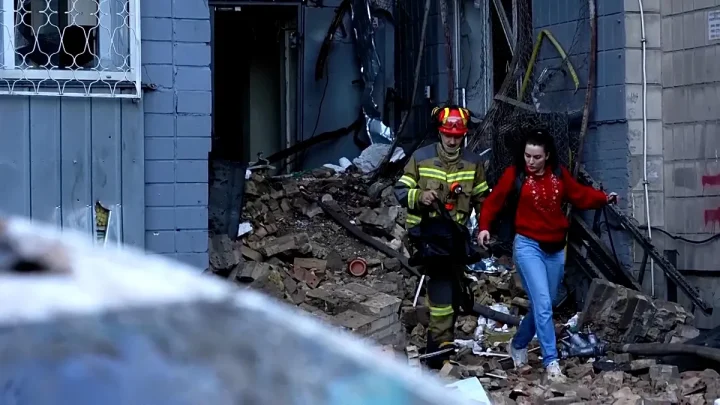
Video. Ukraine: Six dead as Russia targets Sumy and Odesa
ia Targets Sumy and Odesa Ukraine - On July 15, 2026, Ukraine faced a significant escalation in the ongoing conflict as Russian forces intensified their


Ukraine: Six Dead as Russia Targets Sumy and Odesa
Poinews.com – On July 15, 2026, Ukraine faced a significant escalation in the ongoing conflict as Russian forces intensified their attacks on key cities, including Sumy and Odesa. The strikes, which targeted critical infrastructure and civilian areas, resulted in at least six fatalities and multiple injuries, marking a sharp increase in the death toll compared to previous days. The attacks highlighted the persistent threat to Ukraine’s population, with both urban and industrial zones becoming focal points for Russian military operations. This development has reignited concerns about the war’s impact on Ukraine’s stability and the resilience of its communities.
Russian Strikes on Sumy: A Strategic Blow
The northeastern city of Sumy, a strategic location near the Russian border, bore the brunt of the attacks. Guided aerial bombs struck a hospital and nearby residential neighborhoods, causing widespread destruction and displacing hundreds of civilians. Emergency services reported that the hospital, a vital healthcare hub for the region, suffered severe damage, with flames engulfing parts of the building and leaving survivors in a state of shock. Among the casualties, three individuals were confirmed dead, while 17 others were injured, many of whom required urgent medical attention. Regional Governor Oleh Kiper emphasized the gravity of the situation, stating that the attacks targeted not only military assets but also everyday life in Ukraine.
Residents described the chaos of the night as explosions echoed across the city, shaking homes and cutting off power for several hours. Rescue teams worked tirelessly to evacuate civilians from the rubble, while firefighters battled to extinguish fires that threatened to spread to nearby structures. The attack on Sumy was part of a broader pattern of Russian aggression, with the region experiencing a series of coordinated strikes over the past week. Analysts suggest that the targeting of Sumy reflects Russia’s strategy to weaken Ukraine’s eastern front and destabilize its supply chains.
Odesa Under Fire: Industrial and Civilian Losses
Further south, Odesa, a major port city in Ukraine, also suffered from the Russian military campaign. Missiles and drones hit industrial sites, including a critical warehouse, leading to three additional deaths and substantial damage to local infrastructure. The explosions caused fires that spread rapidly, destroying several lorries and disrupting trade operations. Odesa’s port, a key economic lifeline for Ukraine, now faces the risk of prolonged disruption, raising fears about the country’s ability to sustain its economy amid the war.
Regional authorities in Odesa confirmed that the city had endured missile and drone strikes for the fifth consecutive day, underscoring the relentless nature of the conflict. The attacks not only targeted industrial zones but also hit civilian areas, including a residential district, which heightened the humanitarian crisis. Governor Oleh Hryhorov, who provided a detailed account of the Sumy incident, also noted that Odesa’s suffering is emblematic of the broader challenges facing Ukraine. “The victims in Sumy were not just individuals—they were part of a larger narrative of Ukraine’s struggle to protect its people,” he said in a statement.
The destruction in Odesa and Sumy has drawn international attention, with diplomats and human rights organizations condemning the Russian military’s focus on civilian targets. Reports indicate that the attacks have left many families homeless and forced the evacuation of over 1,000 residents. In response, Ukrainian officials have called for increased support from NATO allies, emphasizing the need for advanced air defense systems to counter the growing threat of Russian aerial assaults.
The Escalating Toll: UN Report Highlights Civilian Crisis
Compounding the immediate devastation, a recent UN report revealed that civilian deaths in Ukraine reached a four-year high in June 2026, signaling a worsening humanitarian situation. The data, compiled from verified sources across the country, showed a 25% increase in casualties compared to the previous month, with many victims being women, children, and elderly citizens. This surge in deaths has raised alarm among global leaders, who have urged Russia to comply with international laws of warfare.
The report also highlighted the long-term impact of the conflict on Ukraine’s infrastructure, with over 1,500 buildings damaged or destroyed in the first half of the year. The destruction of hospitals, schools, and transportation networks has crippled Ukraine’s ability to provide essential services to its population. Experts warn that the ongoing attacks could force more people to seek refuge in neighboring countries, further straining resources and increasing the risk of a refugee crisis.
Despite the grim situation, Ukrainian forces continue to push back against Russian advances, with recent operations in the east and south showing signs of resilience. However, the combined toll of direct attacks and indirect effects, such as supply shortages and economic strain, has placed immense pressure on Ukraine’s war efforts. As the conflict enters a new phase, the government has reiterated its commitment to defending its territory while prioritizing the safety of its citizens.
International reactions to the attacks in Sumy and Odesa have been swift, with the European Union condemning Russia’s actions as disproportionate and targeting civilian infrastructure. The United States and other NATO members have pledged additional military aid, including air defense systems and satellite imagery technology, to help Ukraine monitor and counter Russian strikes. Meanwhile, the Russian military has defended its actions, claiming that the targets were “key logistics hubs” supporting Ukraine’s defense operations.