Bogs ‘almost like a minefield’: Europe’s wetlands gain military importance
Bogs 'almost like a minefield': Europe's wetlands gain military importance Bogs almost like a minefield - Europe's wetlands, often overlooked in traditional

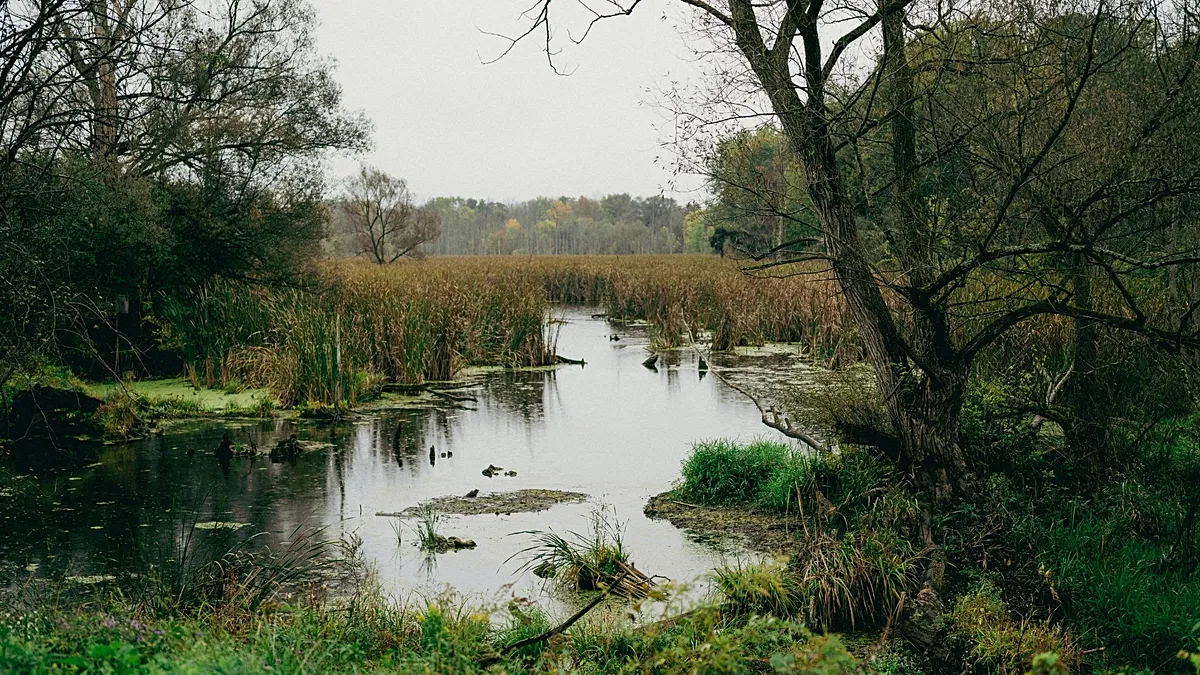
Table of Contents
Bogs ‘almost like a minefield’: Europe’s wetlands gain military importance
Poinews.com – Europe’s wetlands, often overlooked in traditional defense strategies, are now being viewed as strategic assets that rival the complexity of a minefield. As military planners adapt to evolving threats, the unique characteristics of bogs—such as their waterlogged terrain, limited accessibility, and unpredictable passability—have positioned them as natural barriers with significant operational value. This shift highlights how the continent’s peatlands are becoming integral to national security, particularly in regions where climate resilience and defense planning intersect.
Strategic Applications of Wetlands in Military Contexts
Historically, natural landscapes have played a crucial role in defining borders and shaping conflict zones. From the ancient marshes of the German-Netherlands frontier to the dense bogs of Eastern Europe, these environments have long influenced military tactics. Today, the increasing recognition of wetlands as strategic assets is driven by the need to counter modern threats, including rapid troop movements, supply line disruptions, and climate-induced challenges. In the Baltic states, for example, peatlands are being reimagined not just as ecological zones but as defensive corridors that can slow enemy advances and protect vulnerable regions.
Baltic States’ Peatland Defense Initiatives
Estonia, Latvia, and Lithuania are spearheading efforts to integrate peatlands into their military strategies, particularly as part of the Baltic Defence Line initiative. This project leverages the inherent properties of bogs almost like a minefield to create organic fortifications. By restoring wetlands, these nations aim to enhance their natural defenses while also contributing to broader climate goals. The soft, waterlogged surfaces of peatlands act as a deterrent to heavy armored vehicles, and their maze-like structure complicates enemy navigation. This dual-purpose approach has drawn attention from defense analysts, who note that such landscapes can provide both security and environmental benefits in an interconnected world.
Poland’s Peatland Integration in Security Planning
Poland, too, is exploring the potential of peatlands in its security framework. While the country has yet to fully formalize its strategy, initial discussions suggest that wetlands could be used to reinforce existing border defenses and create buffer zones against potential threats. Peatlands, with their ability to store carbon and manage water flow, align with Poland’s environmental policies, which emphasize sustainability alongside national security. The EU’s nature restoration regulation further supports this integration, encouraging member states to view peatlands as both ecological and military assets. This cross-disciplinary approach underscores the growing importance of wetlands in shaping Europe’s security landscape.
Prof. Dr. Hans Joosten, a leading expert at the Greifswald Mire Centre, emphasizes that bogs almost like a minefield are not merely obstacles but opportunities. “Peatlands have historically defined the edges of regions worldwide—from the Germany-Netherlands border to areas near Lake Chad—making them easier to defend,” he explains. The strategic value of wetlands lies in their ability to create natural chokepoints, where movement is restricted and visibility is limited. In military operations, this can be a decisive advantage, allowing forces to control access points and slow down enemy advances. Joosten also highlights that these environments, while challenging, are predictable in their limitations, which makes them more humane than traditional minefields.
The military’s evolving relationship with wetlands is also reflected in the practices of the Bundeswehr. German defense officials acknowledge that peatlands function as both natural barriers and potential vulnerabilities. In a country where climate action and defense planning are intertwined, the decision to rewet certain areas is now being scrutinized for its dual impact. Rewetting not only supports carbon sequestration and water retention but can also serve as a strategic tool. However, it may also hinder the movement of NATO forces, creating a tension between ecological preservation and military readiness. This dynamic is particularly evident in Germany’s role as a key transit hub for international military operations.
As Europe’s security landscape becomes more complex, the importance of bogs almost like a minefield is likely to grow. The Baltic states and Poland are at the forefront of this transformation, using peatlands to bolster their defenses while addressing climate challenges. Meanwhile, Germany continues to balance its environmental commitments with the need for open corridors. The integration of wetlands into military planning represents a broader shift toward holistic strategies that combine ecological and security objectives. This approach not only strengthens borders but also ensures the long-term sustainability of Europe’s natural environments.