‘No power for hours’: What it’s like living in one of the world’s hottest towns with 48C days
No Power for Hours: Life in a 48°C Town Extreme Heat Reshapes Daily Life No power for hours - For residents of Banda, a town in India where temperatures

No Power for Hours: Life in a 48°C Town
Extreme Heat Reshapes Daily Life
Poinews.com – For residents of Banda, a town in India where temperatures routinely exceed 48°C, the phrase “no power for hours” is more than just a warning — it’s a daily reality. As climate change intensifies, heatwaves have become an almost constant feature, disrupting routines and challenging survival. June 2026 saw temperatures in Western Europe reach unprecedented levels, but Banda’s searing conditions, which often surpass those of the continent, have gone largely unnoticed in global headlines. With power outages becoming increasingly frequent, the town’s inhabitants have had to adapt to a world where electricity is a luxury rather than a guarantee.
Record-Breaking Temperatures and Unpredictable Weather
Banda has been recognized as the hottest location on Earth seven times this year, according to climatologist Maximiliano Herrera, who attributes the trend to climate change. In May, the town recorded a staggering 48.2°C, a record that underscores the severity of its heat challenges. While seasonal rains occasionally bring some relief, the humidity often turns the air into a suffocating blanket. This pattern has made “no power for hours” a common refrain, as prolonged heatwaves strain the energy grid and force households to rely on alternative cooling methods.
Surviving Without Electricity
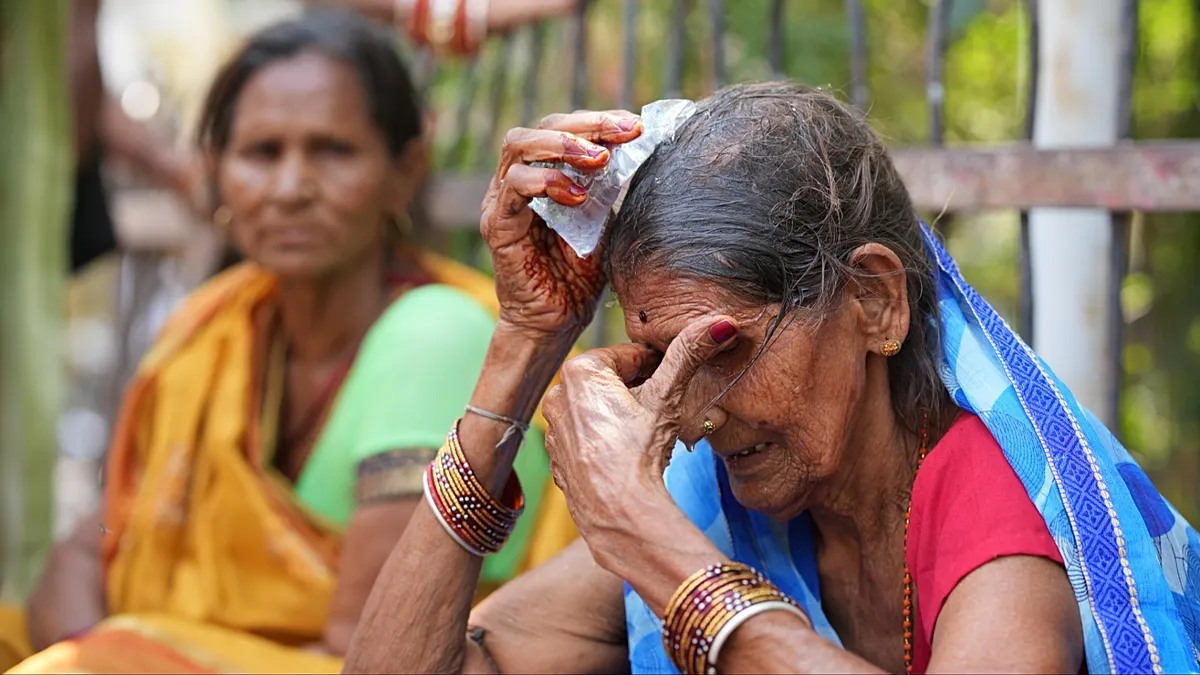
The absence of power has become a defining aspect of life in Banda, particularly for the elderly and those without access to backup generators. Munni Devi, a 70-year-old market worker, described the daily struggle of managing her family’s needs without reliable electricity. “Even the ceiling fans stop working when the power goes out,” she said. “Sometimes, there is no power for hours, and we have to work in the sweltering heat.” Her story reflects a broader trend, as many residents face similar challenges in maintaining basic comforts.
Traditional Practices Meet Modern Challenges
Despite the harsh conditions, Banda’s community has found ways to endure, drawing on traditional practices. Shobharam Kashyap, a 70-year-old woodworker, has seen increased demand for his handcrafted birdhouses as local birds seek shade and cooler spaces. “Our culture has always encouraged feeding birds,” he explained to the Associated Press. “Women visiting temples often offer rice, which the birds consume instead of the priests.” This cultural adaptation highlights how even in the face of extreme heat, local traditions offer a sense of continuity and hope.
Health Impacts and Emergency Response
As the heat becomes more relentless, its effects on public health are becoming undeniable. Banda’s hospital, a critical hub in the region, has reported a significant rise in heat-related emergencies, with patients frequently arriving in the late afternoon and evening. Dr. Abhishek Pranayami, the hospital’s head physician, noted that “the number of patients is increasing every year.” Dehydration, heatstroke, and respiratory issues are now more common, forcing staff to work longer hours and manage overcrowded wards. “Sometimes, there is no power for hours, and we have to keep the hospital running manually,” he added, emphasizing the strain on healthcare infrastructure.
Nights of Endurance and Community Resilience
Even after the sun sets, Banda’s heat lingers, making nights just as challenging as days. Families often gather at the railway station, seeking the cooler open platforms as a temporary refuge. “We sleep here to avoid the heat in our homes,” said one local, whose family had been staying under a tarp for the past three nights. Children wrap water bottles in torn clothes to keep them cool, and elders like Devi’s grandchildren are sprayed with hoses each morning to cope. These small acts of resilience reveal how deeply the town’s people have integrated survival strategies into their daily lives, even as “no power for hours” continues to shape their reality.
Global Implications and Future Outlook
The situation in Banda serves as a microcosm of the broader challenges posed by rising global temperatures. With heatwaves extending into regions previously unaffected, the town’s experience offers a glimpse into the future of climate adaptation. Scientists warn that without significant mitigation efforts, such conditions will become the norm rather than the exception. “No power for hours” is no longer just a local issue but a growing concern for communities worldwide, as they brace for a hotter, drier, and more unpredictable climate. The struggle for survival in Banda is a stark reminder of the urgent need for sustainable solutions to combat the escalating effects of climate change.